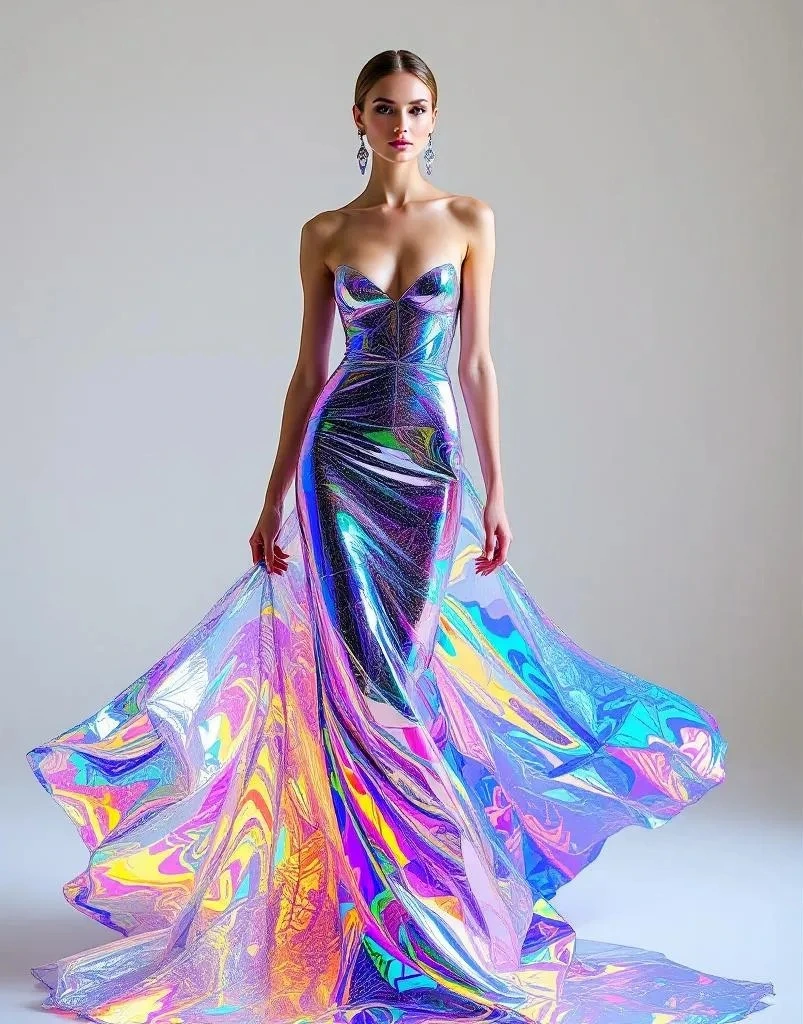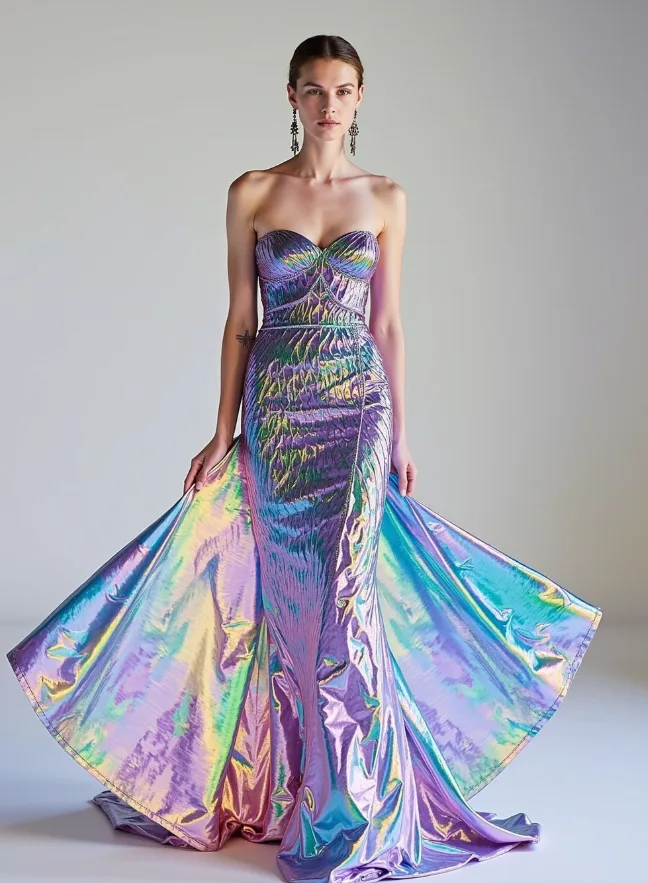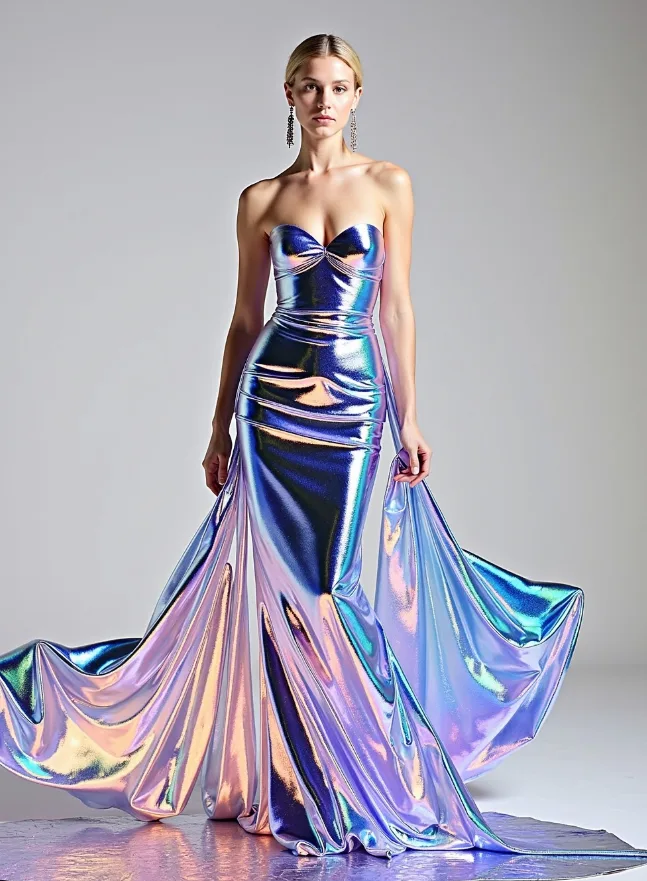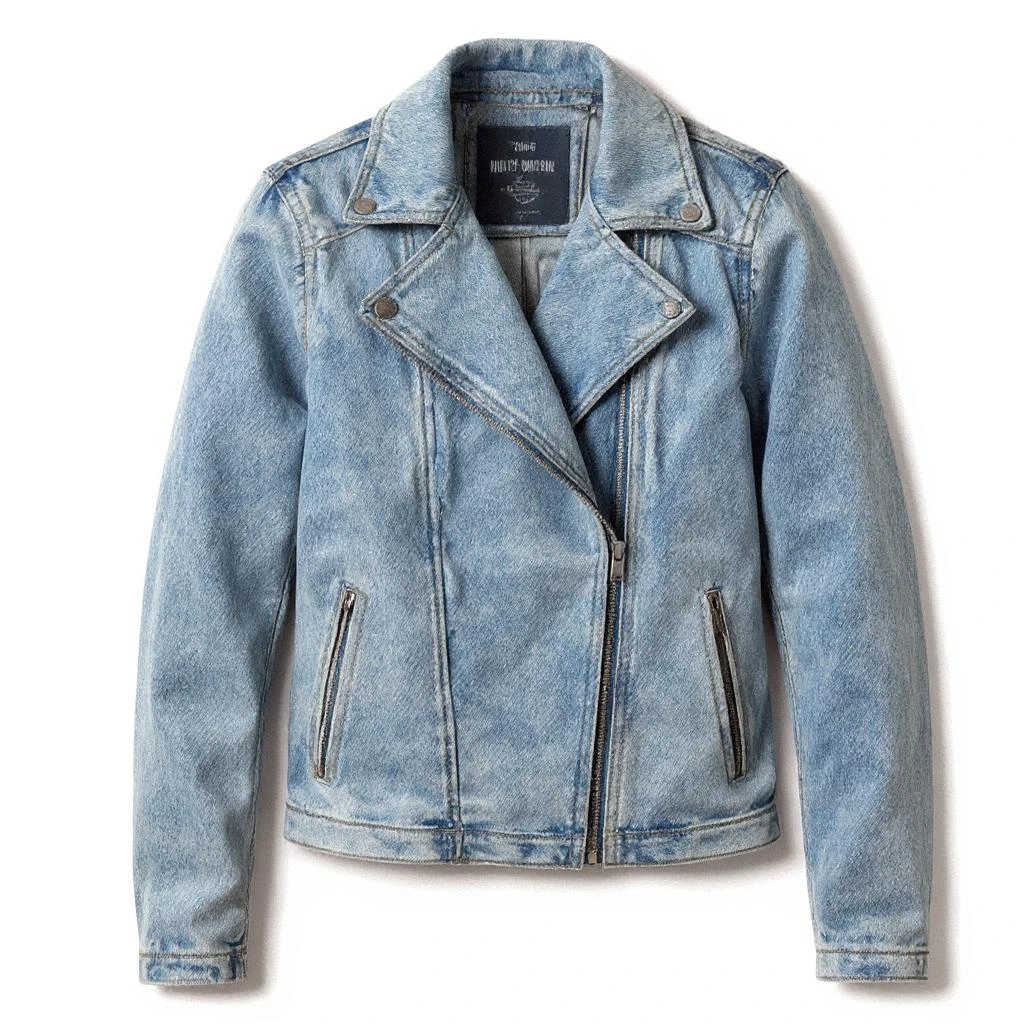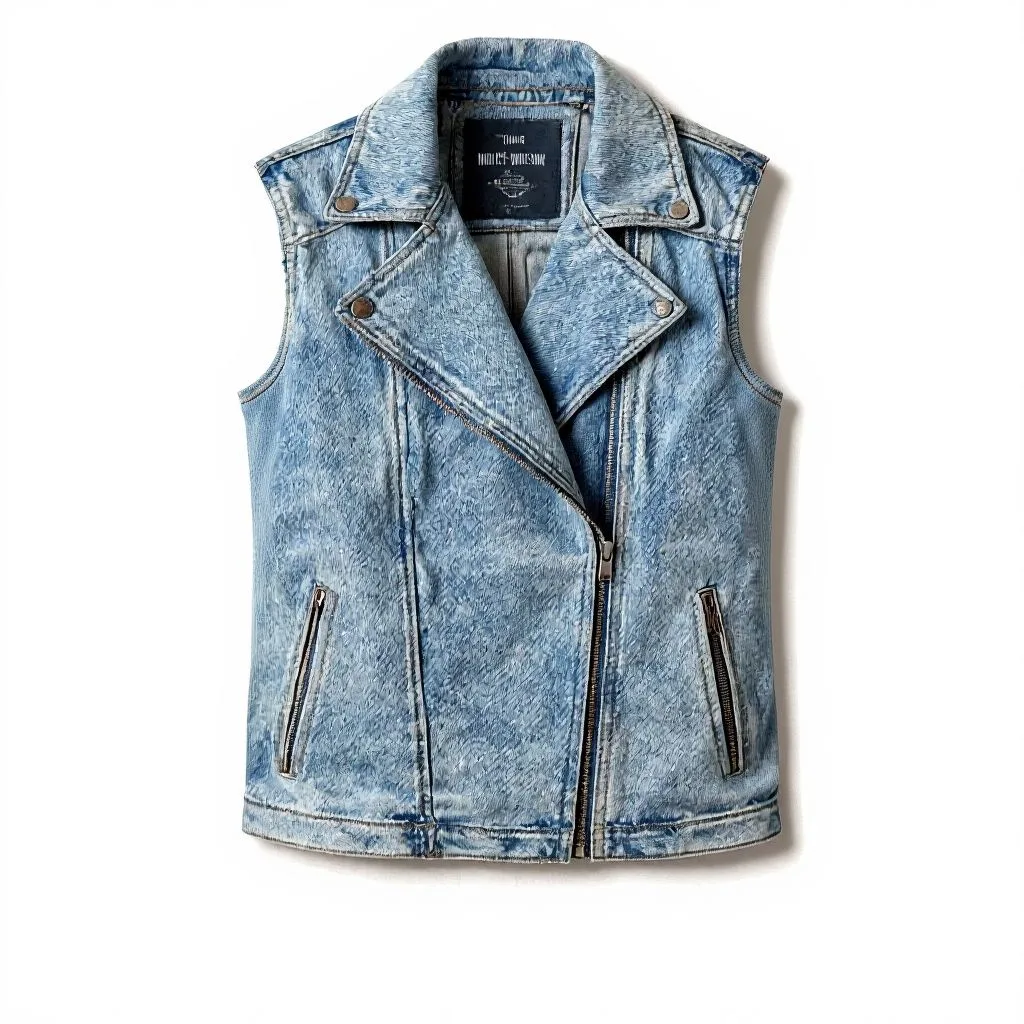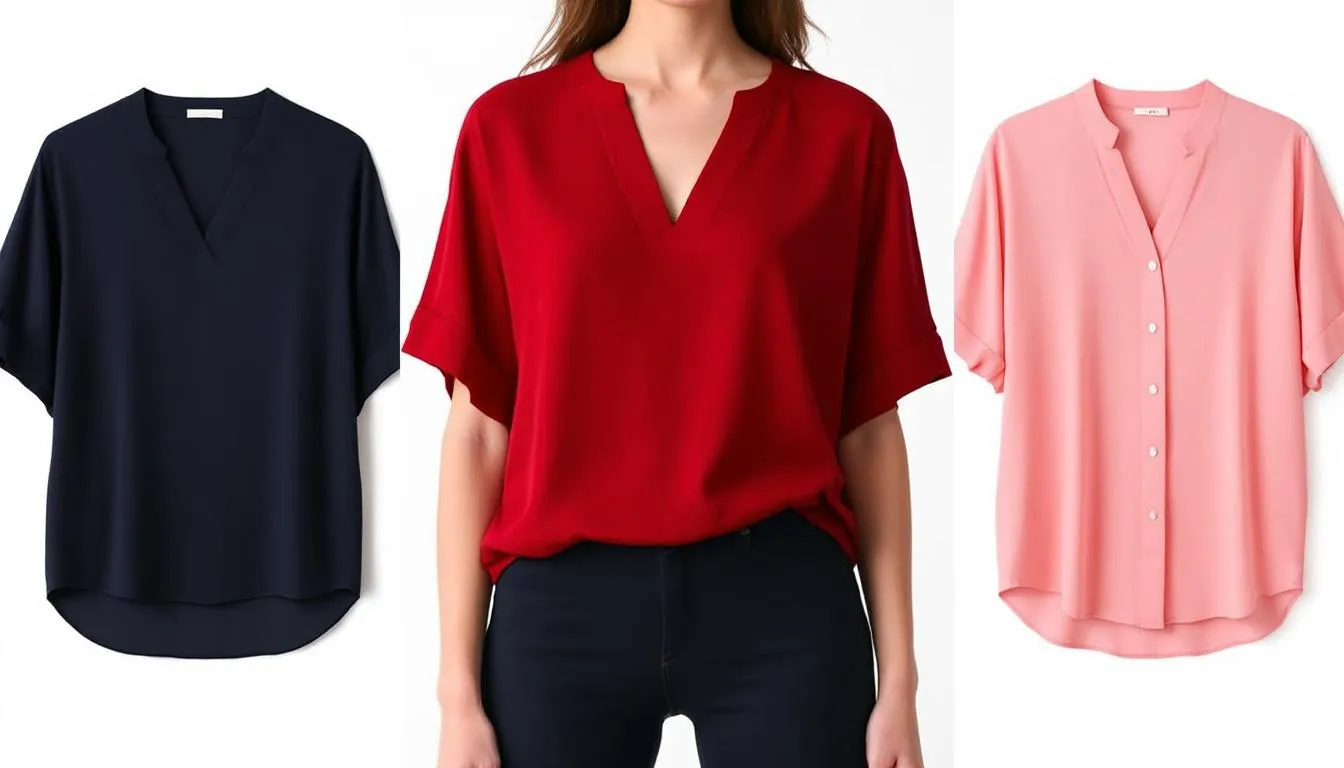
One source. Endless directions.
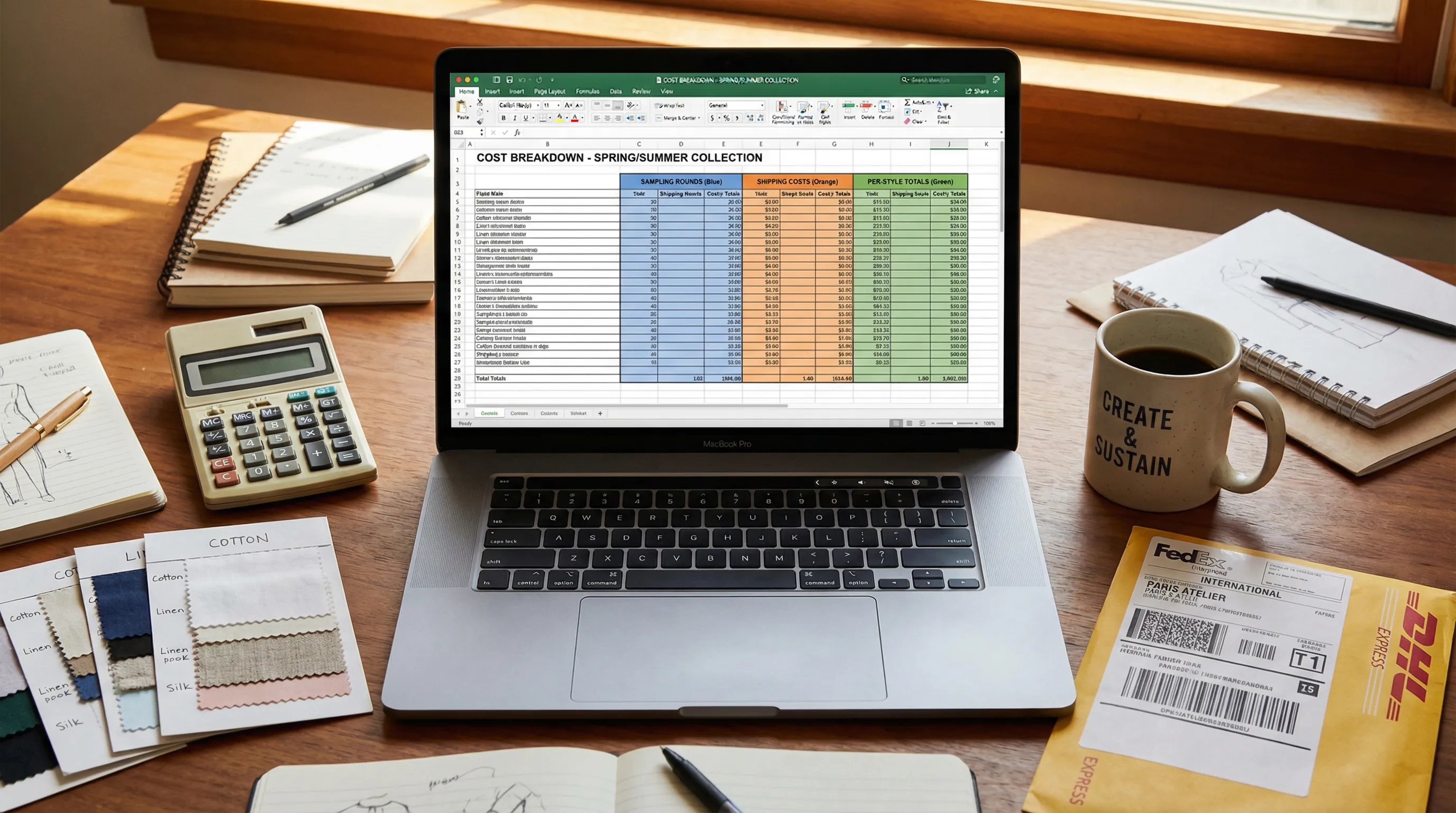
Physical sampling has a cost ceiling. $200–$500 per variation, two to four weeks per round, and a calendar that fills up faster than your budget. Test four directions and you've already spent $1,500 before a single buyer has seen the line extension.
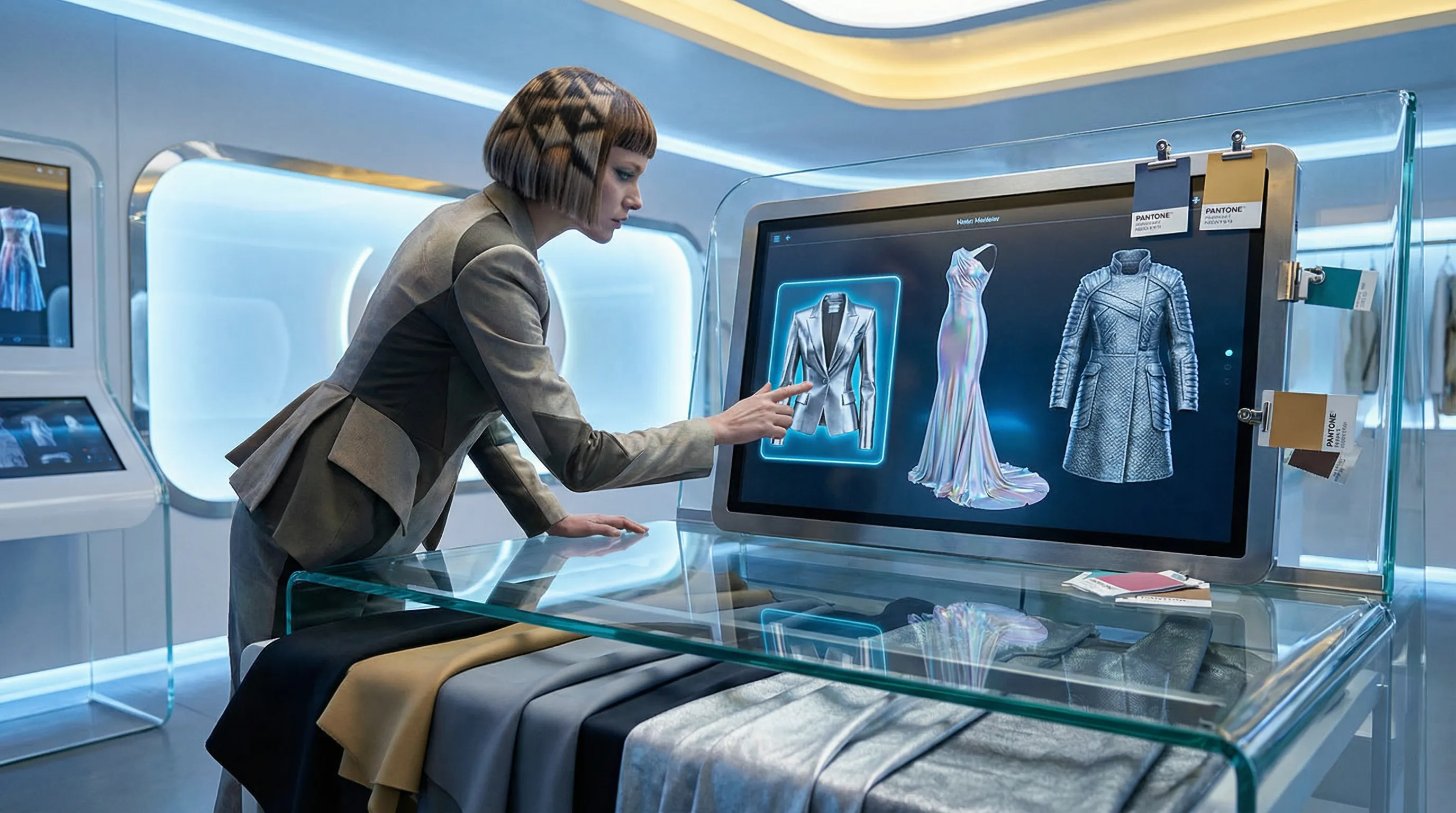
Adstronaut collapses that loop. Upload your product image and the AI surfaces the directions worth trying on this specific piece.
Pick a silhouette. Swap the sleeve. Change the neckline. Tighten the fit. Render the variation in under a minute.
Color and material stay locked across every render — for those, use the dedicated Color Changer and Fabric Swapper.
Start a Free Variation
The AI tells you what's worth changing.
Generic variation tools push every design into a fixed template — "here are five sleeve options, regardless of what you uploaded."
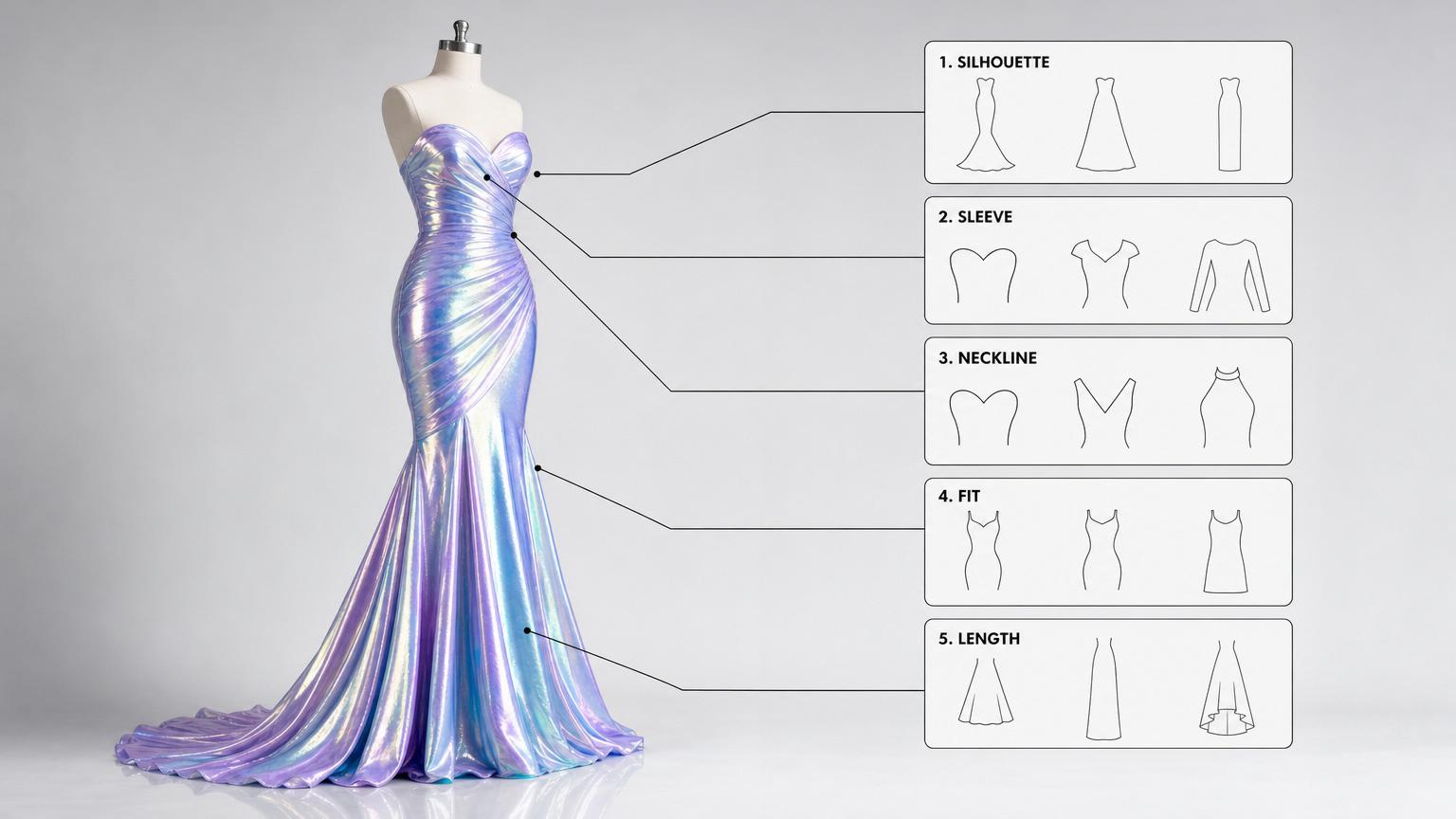
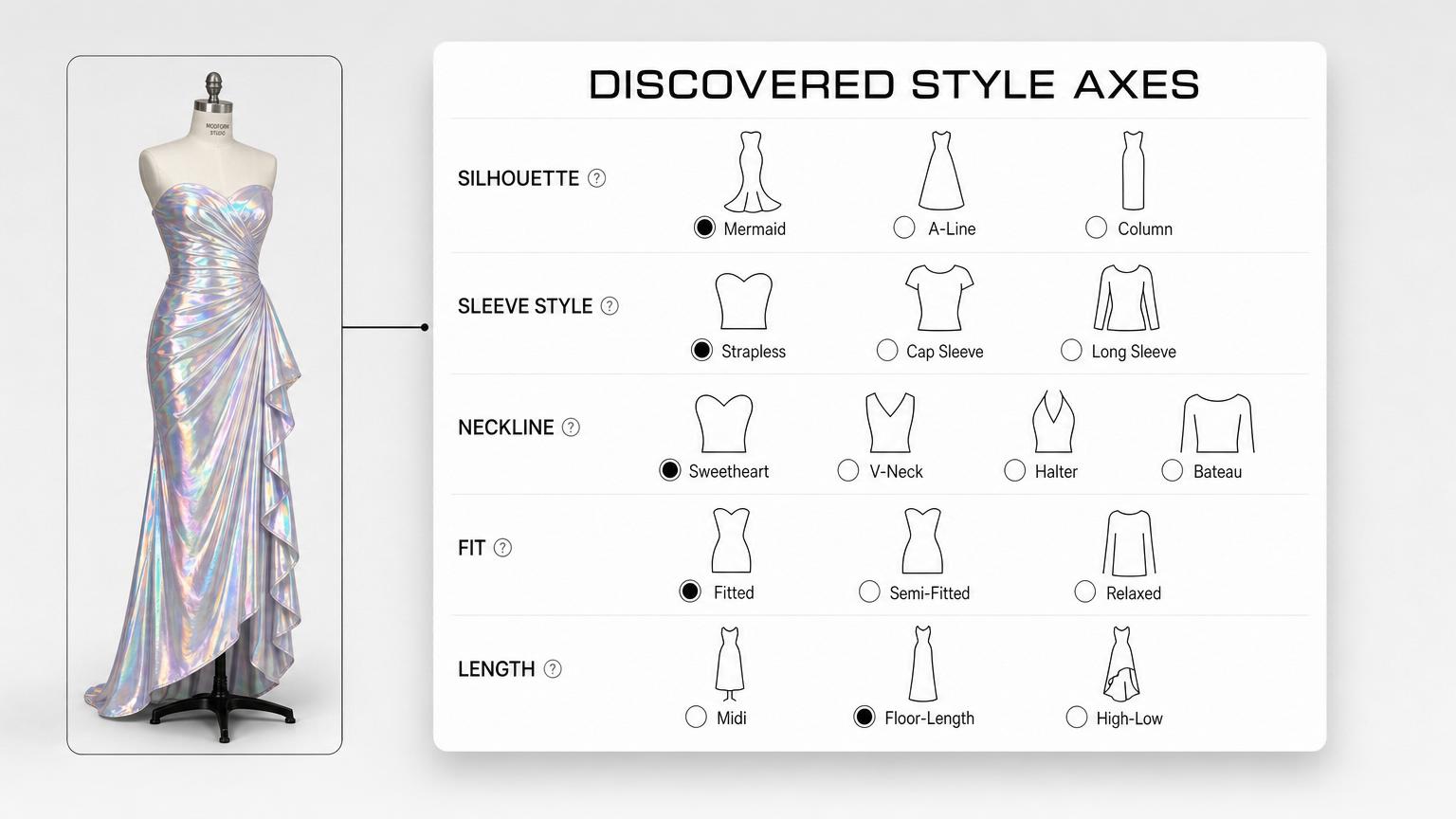
Adstronaut analyzes your specific piece first and surfaces only the variations that actually apply. A short-sleeve tee gets different options than a longline coat. A hoodie gets drawcord and pocket variants a blazer doesn't. A wrap dress gets closure and tie-length options a tee doesn't.
Every option is structural — silhouette, sleeve, neckline, fit, length, construction detail. The AI labels each one in plain English so you can compare without decoding tiny silhouette icons.
Critical for designers who don't know the technical name for what they want, but recognize it when they see it.
Try It With Your Design
Iterate on the same source. See what's worth shipping.
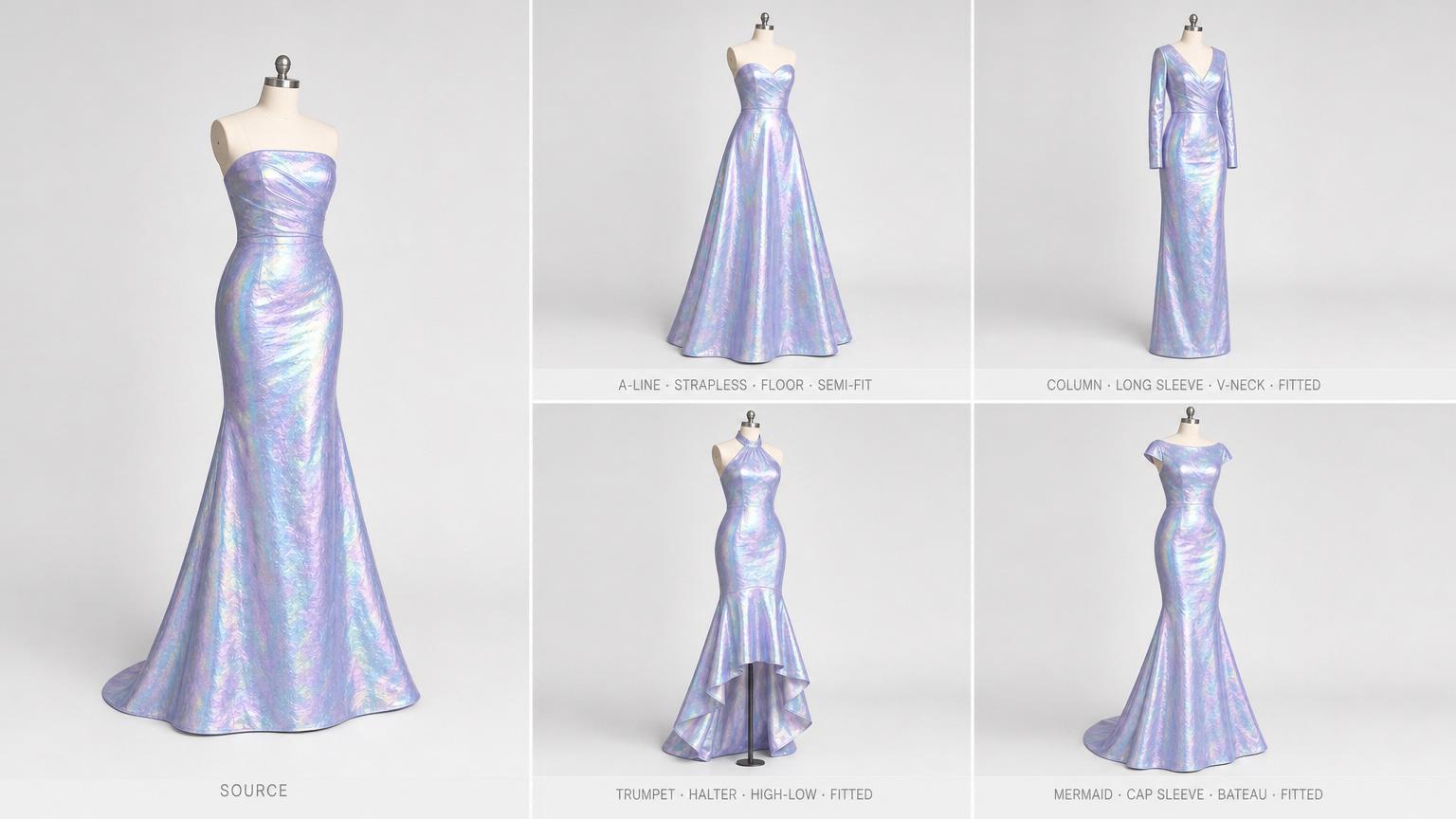
Real design iteration is comparative. You don't pick a variation in isolation — you pick the best of five attempts.
Adstronaut anchors the source image across every generation so each variation reads as a direct comparison. The session tracks which combinations you've already tried, so when you come back tomorrow you don't re-render something you already saw.
Variations stay saved as a project. Share the gallery with your team. Post the top three to Instagram as a poll. Run a pre-order campaign on the winners.
Once you've picked the winner, send it to AI Photoshoots to render it on a model in your chosen scene, or to the Tech Pack Generator for factory-ready specs — the image URL prefills automatically.
Try Combinatorial Mode
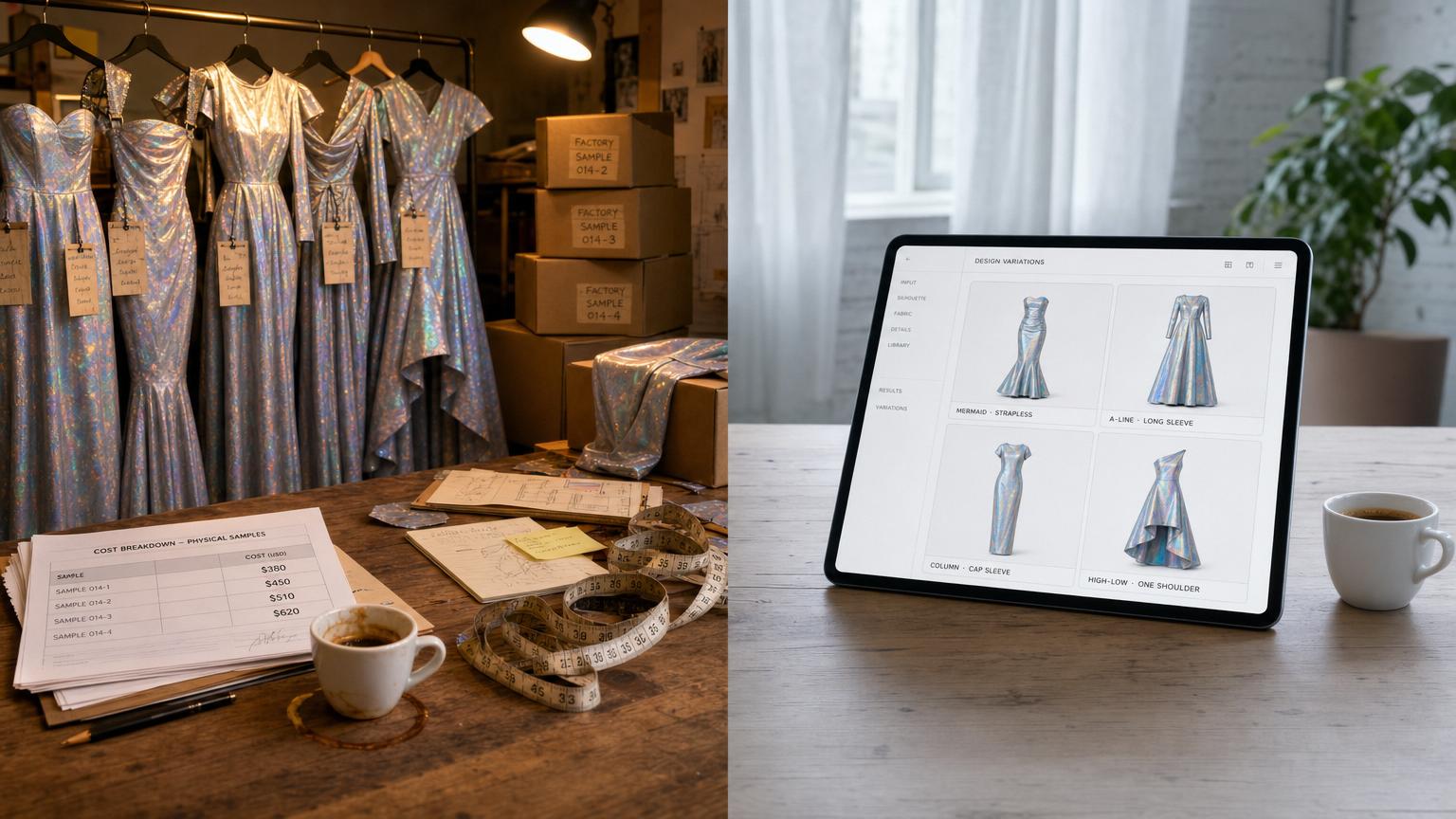
Replaces physical line-extension samples.
The old workflow: brief a designer on five line-extension ideas, wait for sketches, brief the factory, wait three to seven days per sample at $200–$500 each, hold a fit meeting, decide which two go to production.
Adstronaut absorbs the validation step. Two credits per variation — about $0.40 on most plans. Render five line extensions for $2 instead of $1,000–$2,500 in physical sampling.
Run an Instagram poll on the top three. Only commit dye and fabric to the variations your audience actually responded to. See the full cost math for digital validation versus physical samples.
Best for brand owners protecting inventory budget, social-first brands turning their audience into a focus group, and design managers who'd rather argue about images than brief language.
See the Cost Math
Design Variations questions, answered straight.
Real questions from indie brand owners, product managers running line extensions, and designers running creative reviews.
How does the AI decide which variations to suggest?
When you upload a design, Adstronaut runs an analysis pass that identifies the customizable structural elements on that specific garment — silhouette, sleeve type, neckline, fit, length, detail style, closure type, hardware. The options surfaced are tailored to your design's actual construction, not a generic template. A short-sleeve t-shirt won't get sleeve-length options the same way a longline coat does. Color and material aren't part of Design Variations — use the dedicated Color Changer and Fabric Swapper tools for those.
How many variations do I get per generation?
One variation per generation. Each render shows the source design with the structural combination you selected. To explore multiple directions, run multiple generations — change the selections each time. The source image stays anchored across all renders so comparisons are direct.
Can I give the AI specific text directions?
Variation control happens through the suggested options the AI surfaces for your design — not free-form text. For free-form text-driven edits, use the AI Garment Editor ("add a chest pocket," "change the wash to darker") which sits alongside Design Variations in the platform. The two tools serve different workflows: Variations for structural combinatorial exploration, Editor for one-off prompt-driven edits.
How much does each variation cost?
Two credits per variation (about $0.40 on most plans). For comparison, a single physical line-extension sample from a factory typically runs $200–$500 with two to four week turnaround. Running five variations on Adstronaut costs about $2; running them as physical samples runs $1,000–$2,500 and takes weeks.
Do I own the variations I generate?
Yes. The design variations you create are your assets and are commercially licensed for production, marketing, social, line sheets, and pre-order validation campaigns per our Terms of Service.
What's the best way to use the generated variations?
Three high-ROI use cases: (1) Market validation — post the top three variations to Instagram and run a poll before committing to sampling. (2) Internal design reviews — bring three to four options to a stakeholder meeting instead of one. (3) Tech pack starting point — once you've picked the winning variation, send it to AI Tech Pack Generator to produce factory-ready specs. Used by D2C brands to validate before producing.
Will the variation look like my real product?
Yes — the source design's color, fabric, and overall material story stay locked across every variation. Only the structural elements you change get re-rendered (silhouette, sleeve, neckline, fit, length, detail). The variation reads as the same design line, not a completely different garment. For color or fabric exploration, those happen in the dedicated Color Changer and Fabric Swapper tools.
What kind of source photo works best?
Clear, well-lit product photo with the design visible from front view. On-model, mannequin, dress-form, or flat-lay all work. JPG, PNG, or WEBP up to 10MB. Higher resolution input always produces higher-fidelity variations.
Can I save my variations and come back later?
Yes. Every generation is saved as a project tied to the source image. Come back tomorrow, pick up where you left off, run more combinations. The session also tracks which combinations you've already tried so you don't accidentally regenerate the same variation twice.
How long does a variation take to render?
Under one minute per variation. The initial analysis pass on a new source image takes another 10–20 seconds — that's when the AI figures out which variations apply to your specific design. After that, each variation is a single 45–60 second render.