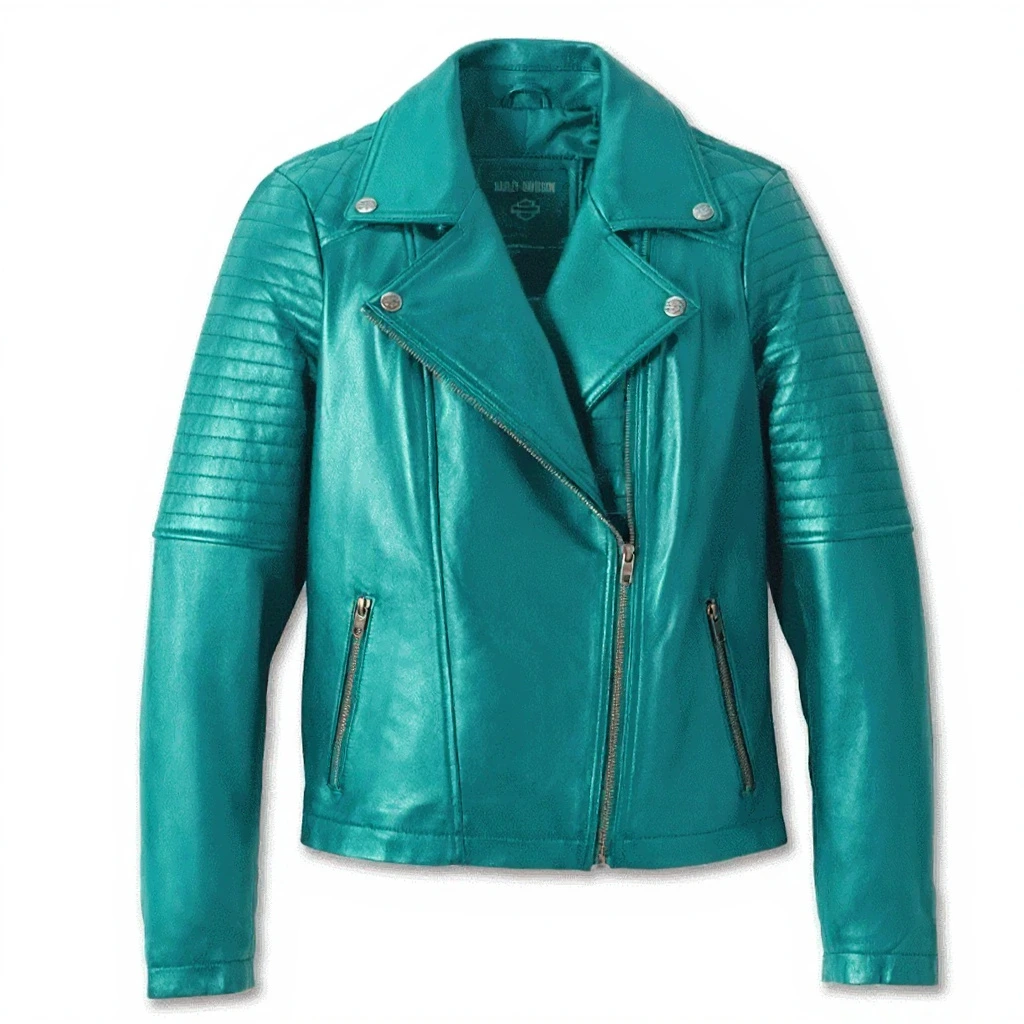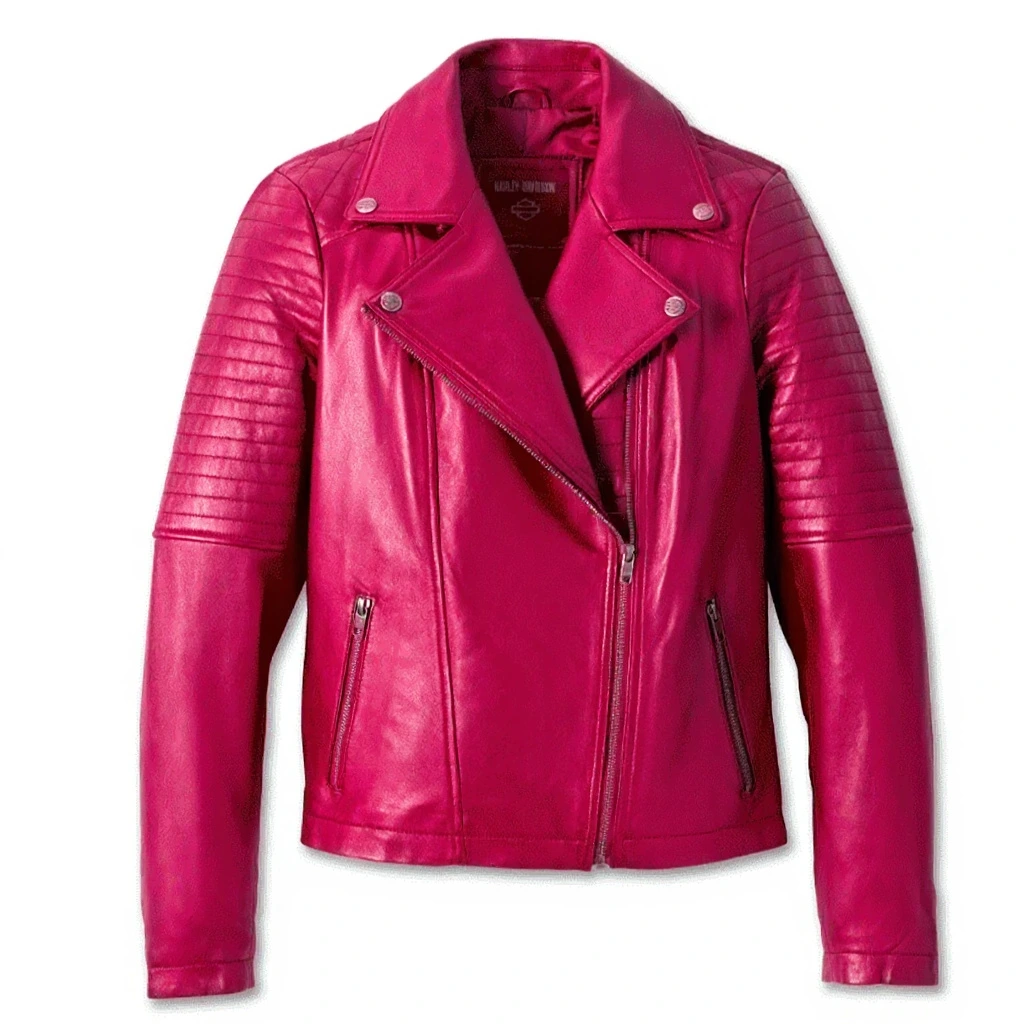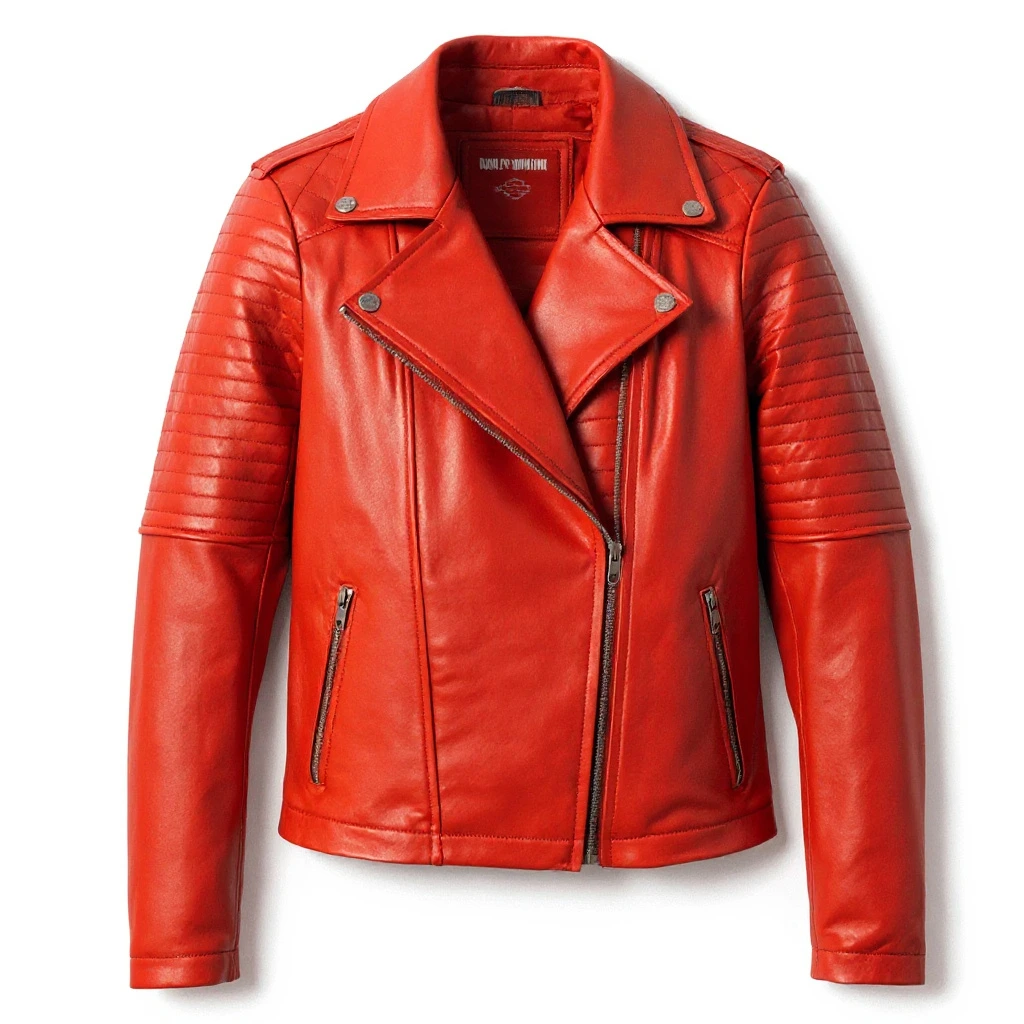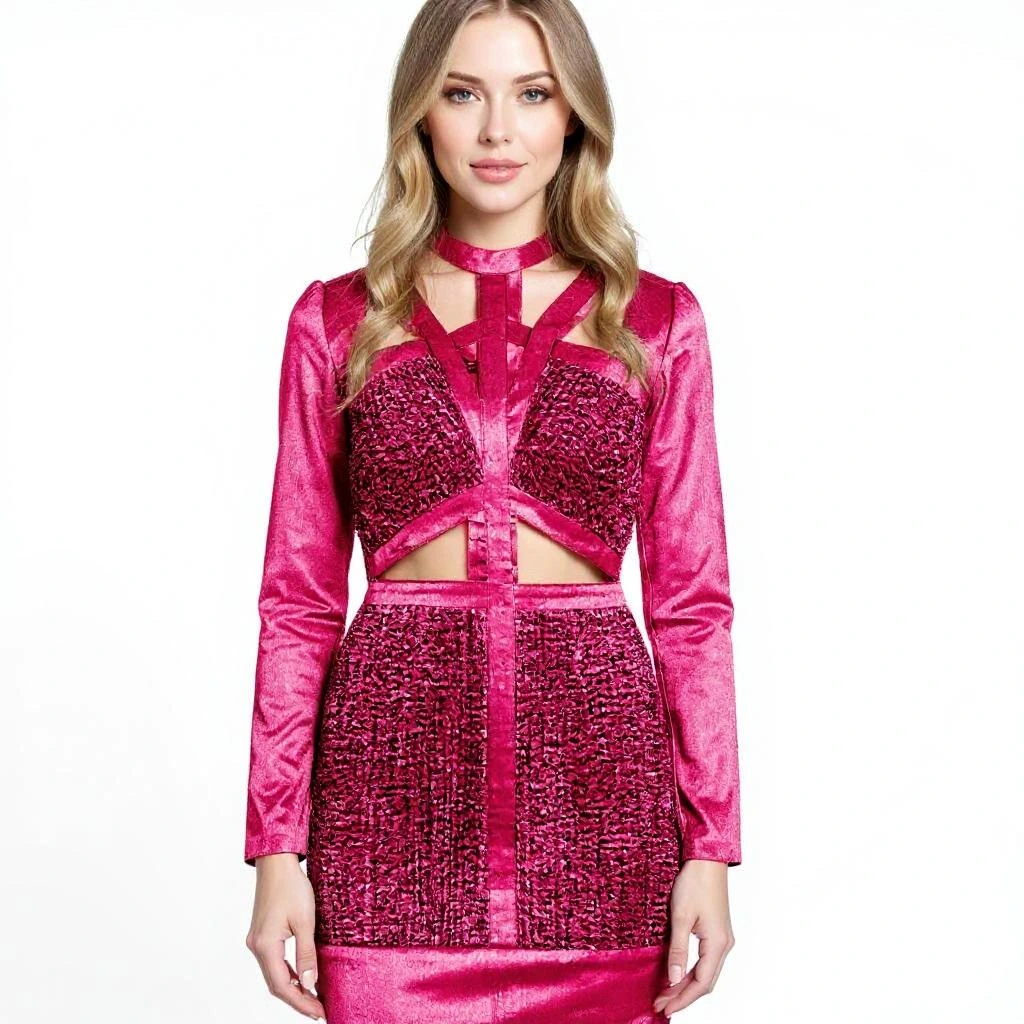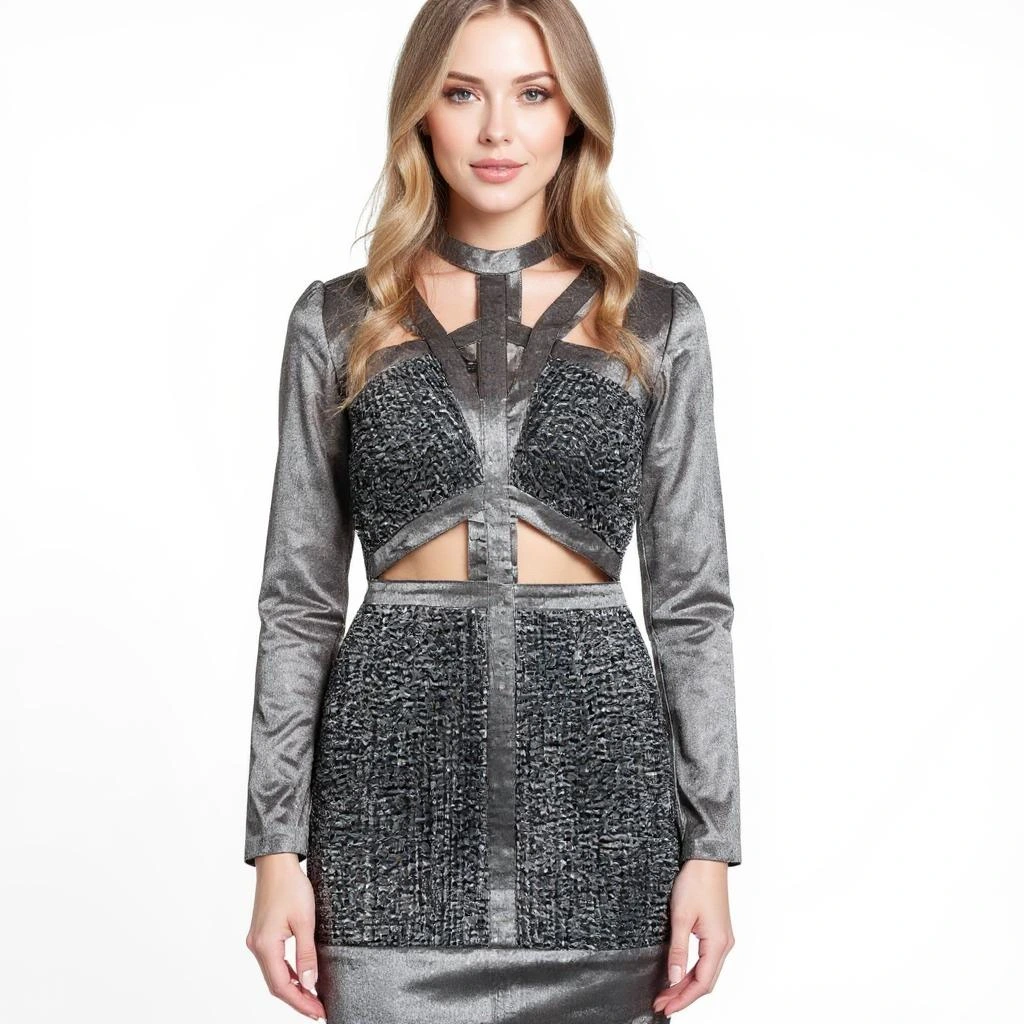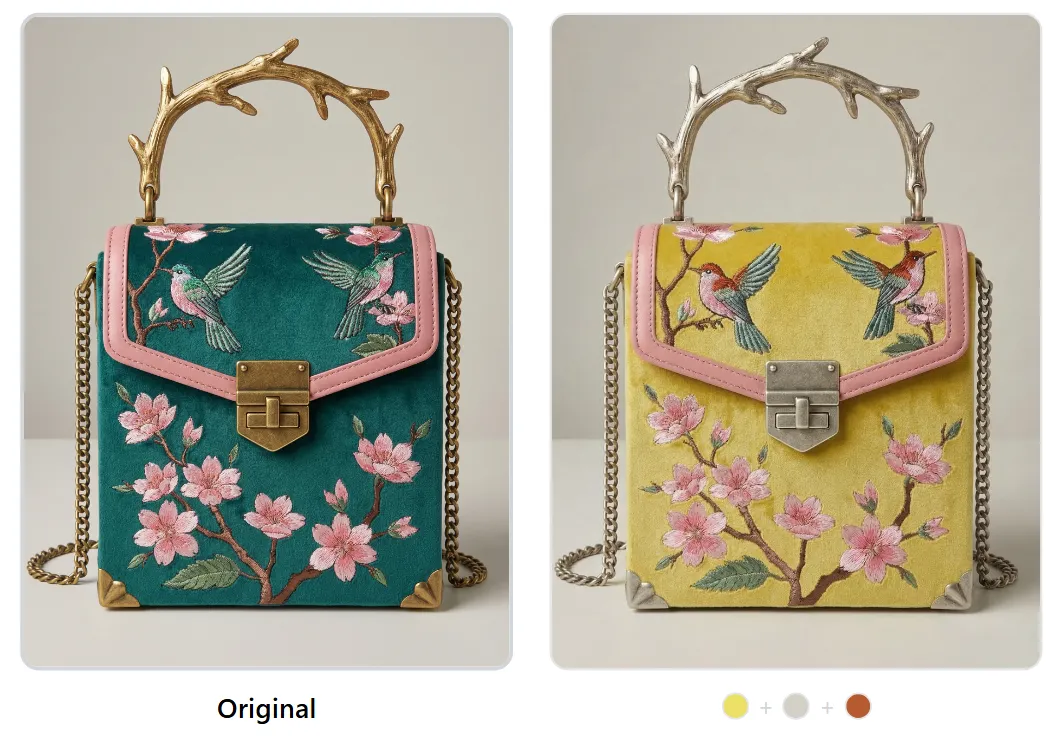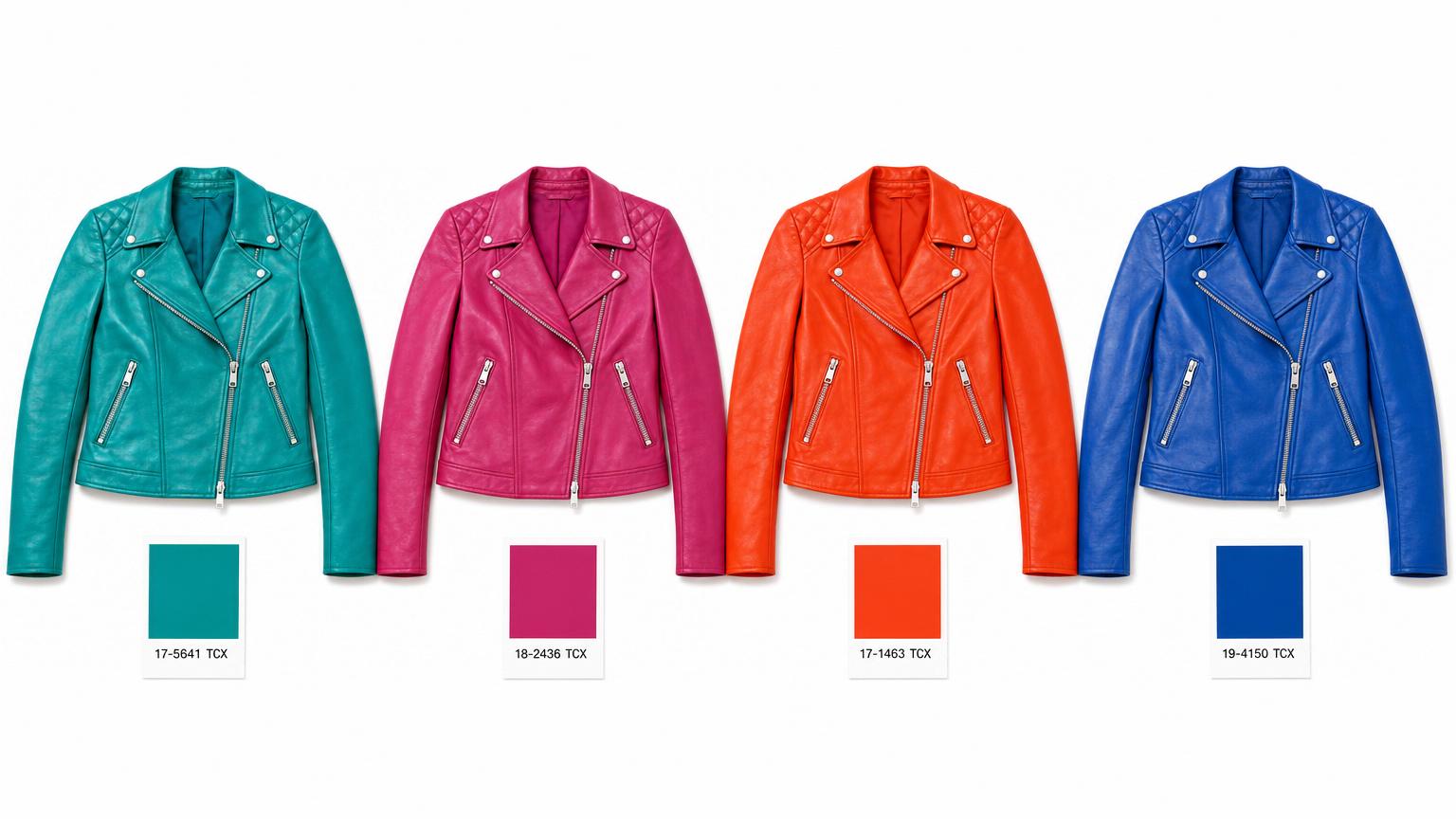
One photo in. Every colorway out.
Physical color sampling costs $200–$500 per colorway and adds two to four weeks per round to your production timeline.
Adstronaut takes a single product photo — on-model, mannequin, or flat-lay — and generates every Pantone-coded colorway you need in seconds, with the real fabric texture preserved.
Indie brands test full seasonal palettes before cutting fabric. E-commerce teams add color SKUs to product pages without reshoots. Buyers see exactly what's shipping.
Used by D2C apparel founders, sustainable brands, and any team running pre-order campaigns to validate which colorways earn the inventory before committing to dye lots.
Start a Free Colorway
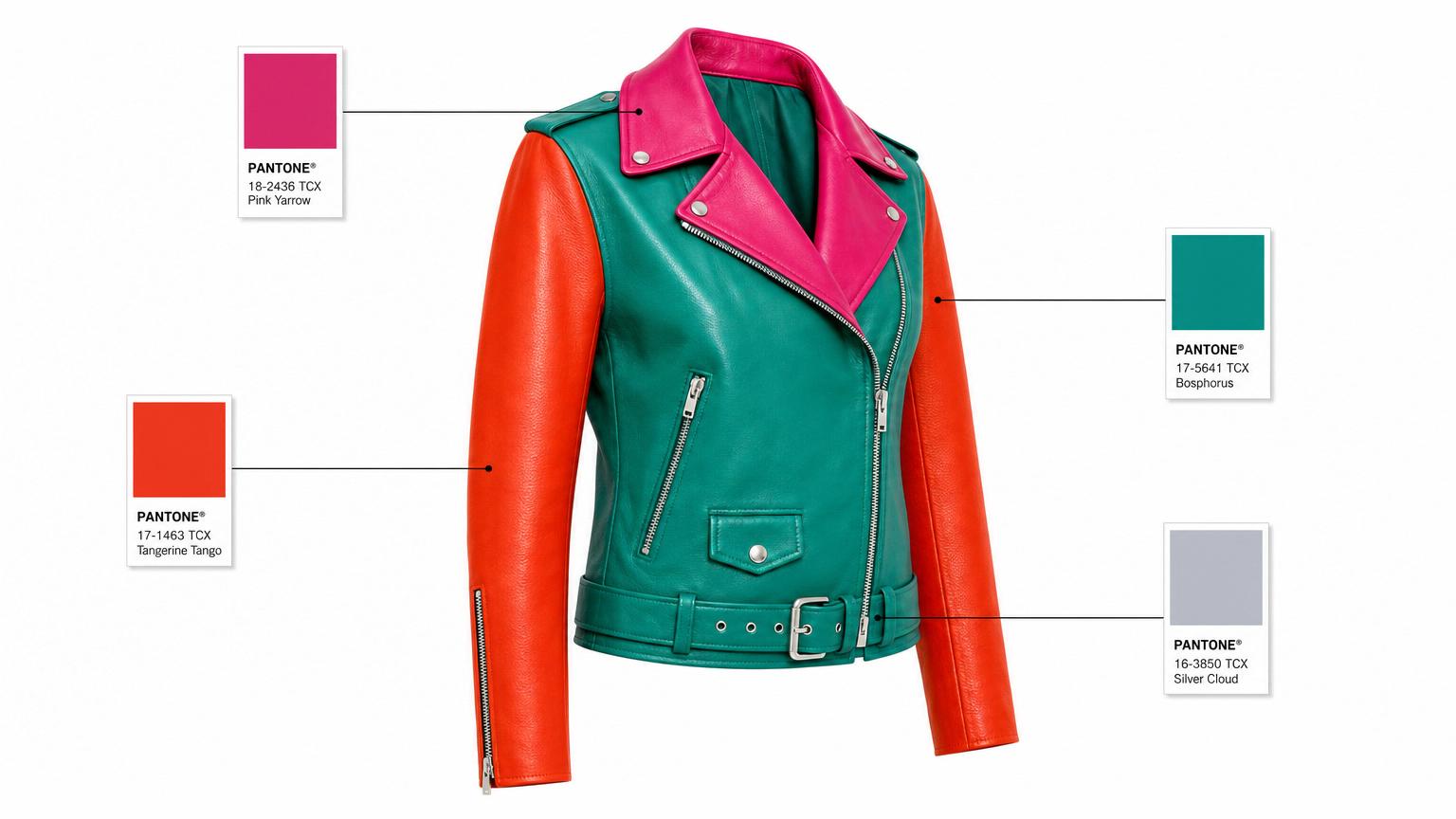
Recolor the lace. Not the whole dress.
Most AI recoloring tools treat a garment as one solid blob — change the color and you've changed everything.
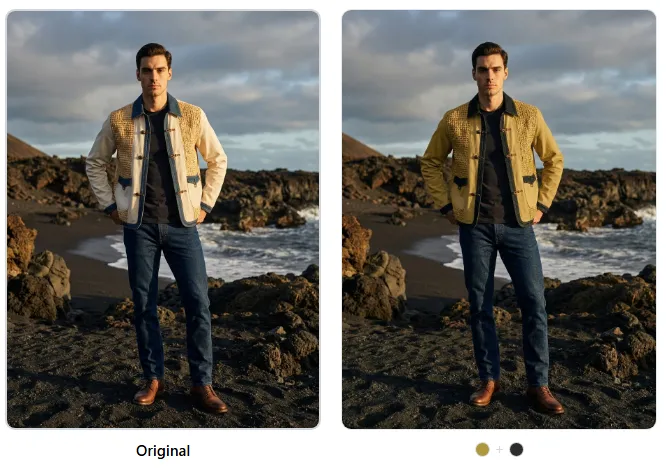
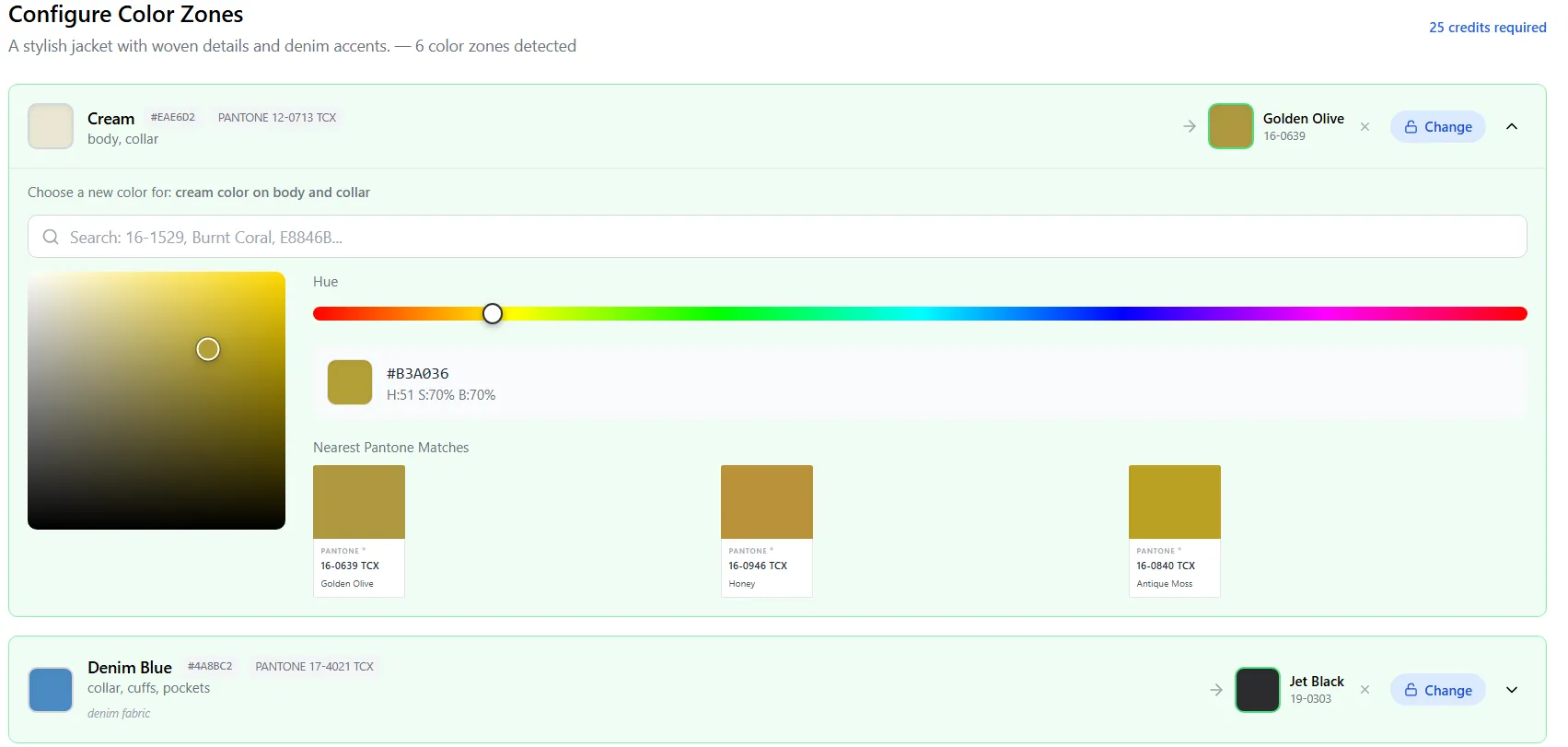
Adstronaut detects the real color zones on your garment: body fabric, lining, trim, lace, hardware, contrast panels, drawcords. You lock the zones you want preserved and change only the ones that need a new color.
The locked zones come through pixel-faithful — same texture, same shadows, same finish. The changed zones get a fresh Pantone TCX render that respects the fabric type.
Need to swap materials per zone instead of color? That lives in the Fabric Swapper — same per-region detection, different lever.
Try Zone-Based Recoloring
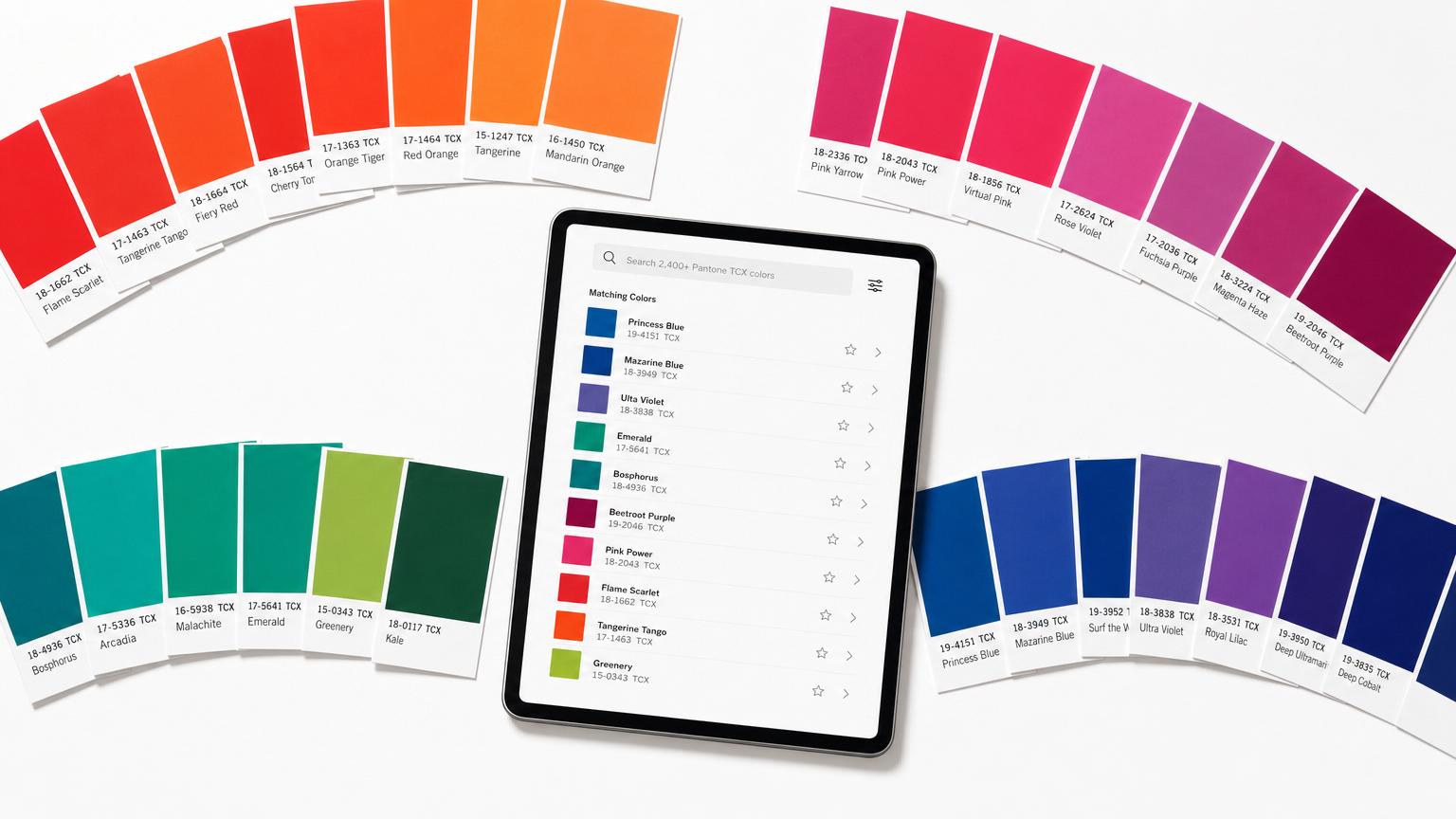
The full Pantone TCX library, searchable in seconds.
Adstronaut connects to the complete Pantone Textile Cotton X-Rated (TCX) library — over 2,300 fashion-industry-standard colors your factory already knows by code.
Search by TCX code (16-1529 Burnt Coral), by name (Pink Carnation, Dusty Sage, Butter Yellow), or by hex (#E8846B). The picker shows the exact swatch your mill, dyer, and pattern cutter will read.
No more emailing back and forth about whether "the pink one" means 17-2031 or 14-1909.
Critical for production teams shipping to overseas manufacturers, brand owners building Pantone-coded line sheets, and any designer briefing a dye lot for the first time.
Browse the Pantone Library
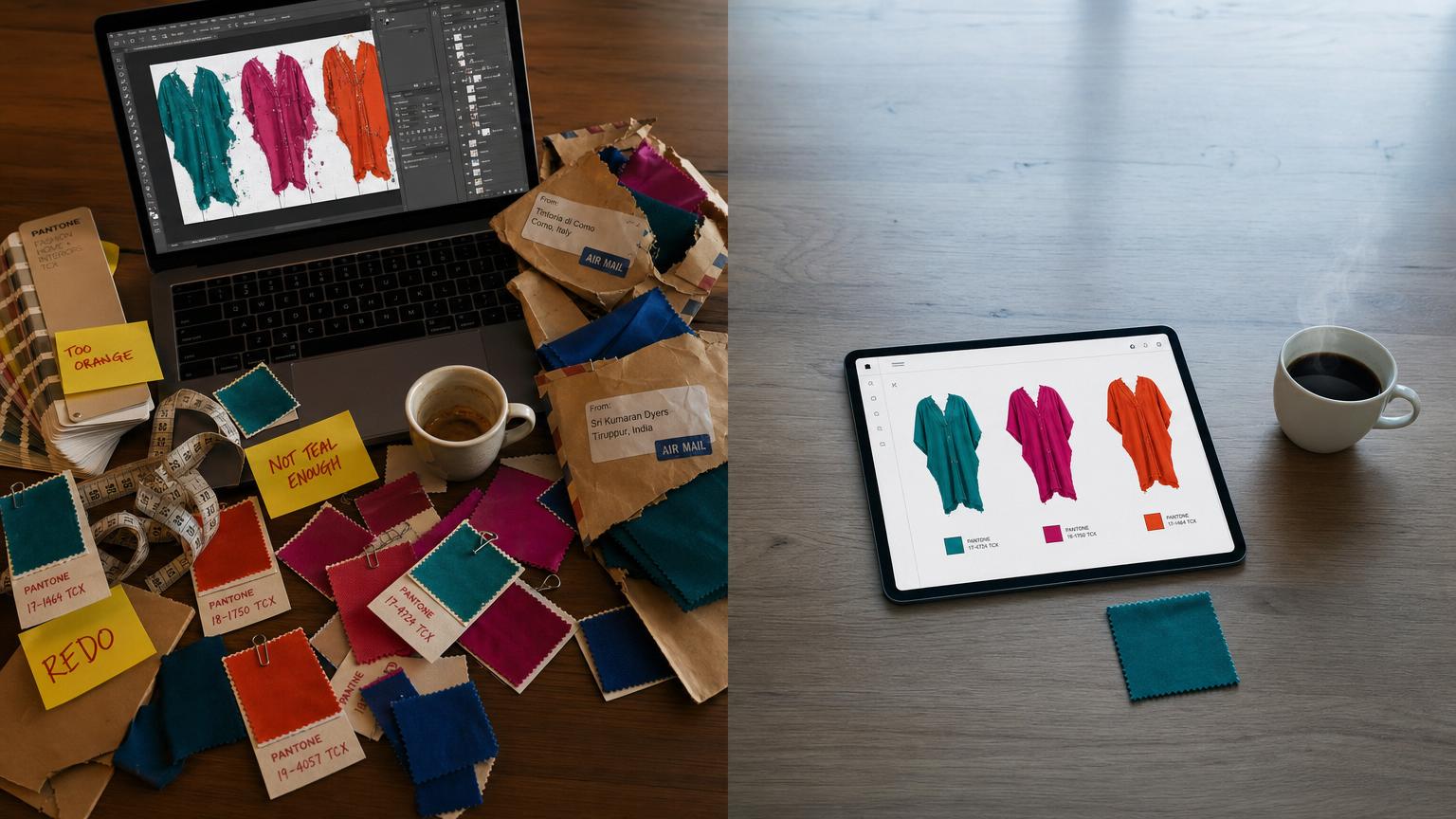
Replaces lab dips, dye lots, and Photoshop guesswork.
The old workflow: brief a dye house for lab dips at $80–$150 per color, wait two weeks for swatches, mail them back and forth, hope the factory mixes the dye to spec.
Or sit in Photoshop trying to mask the garment by hand and overlay a color that flattens every fabric texture.
Adstronaut absorbs the loop. Roughly $0.40 per colorway versus $80–$500 per physical sample. Per-zone control instead of a hand-traced selection. Pantone-coded output instead of "close enough."
Once you've picked the winning colorways, the Pantone codes flow directly into a tech pack your factory can quote and produce from.
Best for indie brands without an in-house technical designer, production leads tired of color-correction rounds, and merchandising teams who need 50 colorways live on Shopify by Friday.
See the Honest Comparison
Color Changer questions, answered straight.
Real questions from indie streetwear founders, production leads, and first-time designers running their first dye lot. Updated monthly based on support tickets.
How is this different from a Photoshop color filter or hue shift?
Photoshop filters overlay a color and flatten every texture underneath — denim stops looking like denim, silk loses its sheen. Adstronaut analyzes the lighting, weave, and material of the original garment and renders the new color as if the fabric was dyed that color from the mill. Lace stays lace, leather stays leather, knit stays knit. Locked zones (the ones you don't change) come through pixel-faithful so the unchanged parts of the garment are identical.
Can I recolor only part of a garment — like just the lace trim or just the sleeves?
Yes. Adstronaut detects every distinct color zone on your garment automatically (body, sleeves, collar, lace trim, hardware, drawcord, contrast panels — typically 3 to 8 zones per item) and you toggle each one between "keep" and "change." Locked zones stay exactly as they are; only unlocked zones get a new Pantone code applied. This is the workflow that matches how your factory thinks about a garment.
Which Pantone library does Adstronaut use?
The full Pantone Textile Cotton X-Rated (TCX) library — over 2,300 codes your mill, dyer, and pattern cutter already work from. You can search by TCX code (e.g., 16-1529 TCX), by official name (Burnt Coral, Pink Carnation, Dusty Sage), or by hex code if you're matching to a brand guideline. Same library used by Pantone Connect and the Pantone Fashion Color Trend Report.
What kind of garment photos work best?
Clear, well-lit product photos. On-model, mannequin, dress-form, or flat-lay all work — the AI auto-detects which input type it's working with. Higher resolution and even lighting produce higher-fidelity colorways. Photos with mixed-color backgrounds (e.g., a model in front of a busy print) still work; the AI separates the garment from the scene before recoloring.
Is there a free way to try AI color changer for fashion?
Yes — your first colorway is free, no credit card. After that, generating a colorway costs 2 credits (about $0.40 per render in zone mode). For a 10-style collection in 5 colorways each, you're looking at around $20 total — versus $80–$500 per physical lab dip from a traditional dye house.
Can I batch-process multiple images at once?
Yes. Paid plans support uploading up to 20 images at a time. The AI analyzes the zones on the first image, applies the same zone configuration across the batch, and returns every recolored variant. Great for line sheets and lookbooks where you want consistent color treatments across an entire collection.
Will the recolored images work on Shopify, Amazon, or my e-commerce store?
Yes. Every render is high-resolution and commercially licensed — use them on product pages, ad creative, social, line sheets, lookbooks, or technical specifications. No royalty fees, no usage caps, no re-attribution requirements.
What's the difference between a TCX, TPX, and TPG Pantone code?
TCX = Textile Cotton X-Rated, the fabric-printed Pantone book your mill works from. TPX = Textile Paper X-Rated, the paper version of the same color (slight visual drift between paper and fabric printings). TPG = Textile Paper Green, the eco-edition. Fashion factories standardize on TCX because it's the swatch they hold against the actual dye lot. Adstronaut's library is TCX.
Can I use Adstronaut Color Changer if I'm not a technical designer?
Yes — this is the most common use case. No need to know what a dye lot is, no need to know how to mask in Photoshop, no need to brief a lab. Upload a photo, pick a Pantone code by name (e.g., 'Sage'), generate. The AI handles the technical part.
How long does Adstronaut take to generate a colorway?
Under 30 seconds per image in zone mode. The zone detection runs in 2–3 seconds; the recolor itself takes 10–20 seconds depending on image size. A full 15-colorway palette is typically rendered and downloadable in under 5 minutes.