Recolor streetwear: test colorways before you sample
Updated June 10, 2026
Streetwear runs on colorways, but each physical lab dip costs $50–$200 and takes 2–4 weeks, so dyeing eight colors before a drop burns weeks and four figures on shades that may never sell. Adstronaut's AI Color Changer renders Pantone-accurate colorways from the 2,300+ Pantone TCX library — per zone, in batches of 5 or 10, at about $0.25–$0.50 each — so you validate the lineup digitally and only sample the winners.
Why colorways decide a streetwear drop — and what they cost
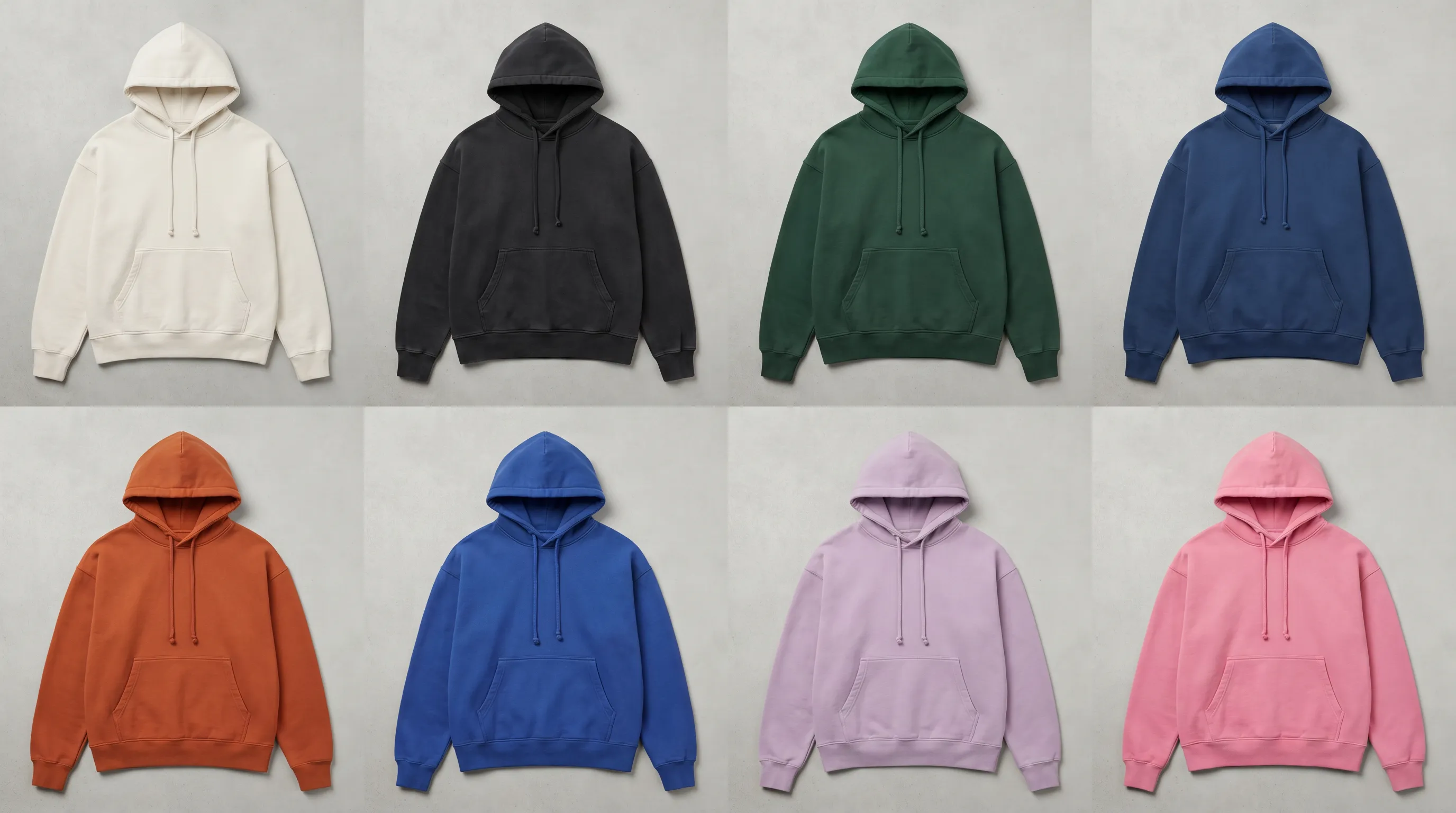
A streetwear drop is rarely one product; it's one silhouette in a color story. The same heavyweight hoodie ships in bone, washed black, and a hero seasonal shade, and the colorway lineup is half the marketing. The problem is that finding those colors the traditional way is slow and expensive.
The gating step is the lab dip — a small swatch the dye house tints to your target color for approval. A lab dip runs $50–$200 per color with a 2–4 week turnaround, and color rarely lands on the first round; most programs budget 2–3 rounds before sign-off (Adstronaut's sampling-cost breakdown). Stack a full colorway sample — dipped, sewn, and shot — and you're at $450–$1,500 per colorway before a single unit is sold. Dyeing eight candidate colors to decide a drop can therefore cost four figures and burn six to twelve weeks on shades that may never make the lineup.
That math collides with how drops actually work. Most streetwear runs land at 50–500 units per style, and the whole point is to test demand per colorway — push a micro-batch or a pre-order, see which shade sells out, then commit dye lots to the winners (Queue-it product-drop guide). You can't run that test if validating each color costs more than the color earns. Digital recoloring flips the order: render every candidate first for about $0.25–$0.50 each, present the lineup, and reserve physical lab dips for the two or three colorways that prove out.
Pantone-accurate, not 'close enough' — the TCX requirement
A streetwear colorway is only useful if your factory can hit it, and factories speak Pantone TCX (Textile Cotton eXtended) — the fabric-dyed color standard your mill, dyer, and pattern cutter all read from. Adstronaut's Color Changer is built on the 2,300+ Pantone TCX library, so every render carries a code your dye house already knows — 19-4052 Classic Blue, 18-1664 Fiery Red, 11-0601 Bright White — not an approximate hex a factory has to guess at.
Why the code matters: production color is judged on Delta E, the numeric distance between your target and the dyed result. Most fashion brands accept Delta E 1.0–2.0 on visible shell fabric, luxury programs hold below 1.0, and hidden components like linings may pass up to 3.0 (Shanghai Garment color-matching guide). None of that tolerance is meaningful if the brief itself was vague. Briefing in TCX from the start — the way the Pantone color-matching guide for fashion lays out — means the dye house chases one defined target instead of reverse-engineering a screenshot.
The honest boundary, stated up front: a render is a visualization for decision-making, not a dye-lot approval. Screens emit light and fabric reflects it, so final color still gets signed off on physical swatches in a D65 daylight light box (the CIE standard ~6504K illuminant), with secondary illuminants to catch metamerism — colors that match under one light and drift under another (Chiuvention textile-lighting guide). Adstronaut narrows the field from twenty ideas to three contenders and hands the factory the right TCX codes; the light box still makes the final call.
Physical lab dips vs. AI colorways for a streetwear drop
Costing one hoodie across eight candidate colorways, the two ways:
| Step | Physical sampling | Adstronaut AI Color Changer |
|---|---|---|
| Color reference | Pantone TCX swatch shipped to dye house | 2,300+ Pantone TCX library, searched by code, name, or hex |
| Cost per colorway | $50–$200 per lab dip (2–3 rounds typical) | 2 credits — about $0.25–$0.50 per render |
| Eight candidate colors | $400–$1,600 in dips, before sewn samples | Roughly $2–$4 in credits |
| Turnaround | 2–4 weeks per round | Seconds per render |
| Per-zone control | New dip per panel; manual | Lock zones (body, hood, ribbing, graphic) and recolor only the rest |
| Batch a lineup | Each color quoted separately | Batch 5 (Standard) or 10 (Pro) images per run |
| Final dye-lot sign-off | Required — physical swatch under D65 | Not a substitute — render decides which colors to sample |
Lab-dip costs and turnarounds per Adstronaut's fashion sampling-cost guide; credit costs and TCX/zone/batch limits per Adstronaut's Color Changer spec (2026).
The pre-drop colorway workflow, mapped to features
From one product shot to a validated, factory-ready color story:
- 1
1 — Shoot or upload the base garment
One clean photo of the silhouette — the bone hoodie, the heavyweight tee, the cap — on-model, mannequin, or flat-lay. The Color Changer auto-detects the recolorable zones in 2–3 seconds. - 2
2 — Lock zones, recolor the rest
Streetwear is rarely one solid color. Lock the printed graphic, the contrast ribbing, or the cap's brim, then recolor only the body. Per-zone control means a chest print stays put while the fleece cycles through eight shades. - 3
3 — Pick Pantone TCX codes for the lineup
Choose each candidate from the 2,300+ TCX library by code, name, or hex. These are the exact codes your dye house reads — the colorway brief writes itself. - 4
4 — Batch-render the full color story
Run the lineup in one pass — batch 5 images on Standard, 10 on Pro — for consistent lighting across every shade. The set reads as one coherent drop, not a patchwork of mismatched crops. - 5
5 — Present and test demand
Drop the lineup as a teaser, a pre-order, or a poll. Watch which colorway sells out or pulls the most pre-orders before you commit a single dye lot — the demand-testing logic at the heart of presenting colorways to buyers. - 6
6 — Sample only the winners
Send physical lab dips for the two or three colors that proved out, briefed in their exact TCX codes. The losing shades cost you cents, not lab-dip rounds — the full method is in how to create colorways without samples.
Per-zone recolor: the graphic stays, the garment shifts
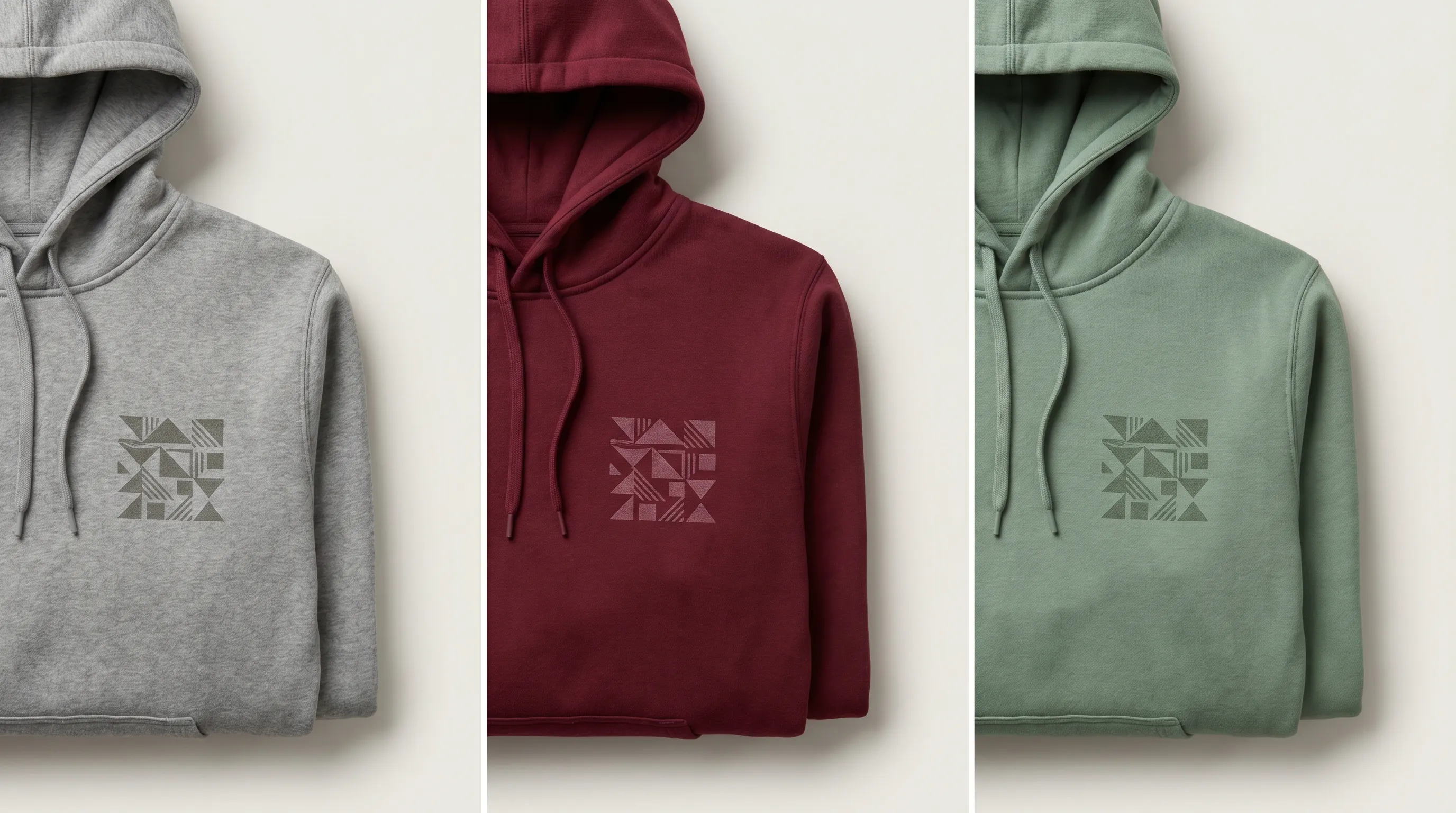
Streetwear lives or dies on its graphics, and that's exactly where blunt recoloring tools fail. Treat a printed hoodie as one solid object and recoloring the body smears the chest print too. Adstronaut detects the distinct color zones on a garment — body fleece, hood lining, ribbed cuffs, drawcords, the printed graphic, a cap's crown versus its brim — typically 3 to 8 zones per item — and lets you lock the ones that must stay and change only the rest.
That's what makes it usable for a real drop. Lock a tonal logo print and run the body through eight colorways while the graphic stays pixel-faithful. Or do the inverse — keep the garment and recolor only the print to test a contrast versus a tonal treatment. The locked zones come through with their original texture, weave, and shadow intact, because the AI re-renders the fabric in the new color rather than painting a flat overlay; a heavyweight French-terry hoodie still reads as French terry, a washed tee still reads washed.
When a colorway needs a material change rather than a color change — swapping the body to a different fleece weight or the brim to corduroy — that's the Fabric Swapper, which uses the same per-zone detection on a different lever. Color and material are the two axes of a streetwear variant, and both are validated digitally before anything reaches the cutting table.
What a streetwear color story costs to validate
Adstronaut prices per output on plans from $29/month: a recolor is 2 credits — about $0.25–$0.50 per render. An eight-color lineup of one hoodie runs roughly $2–$4 in credits; a three-style capsule (hoodie, tee, cap) each in eight shades lands around $6–$12. The physical equivalent — eight lab dips per style at $50–$200 each, often over 2–3 rounds — would run $1,200 to nearly $5,000 for the same three styles, before any garment is sewn or shot.
The leverage isn't only money; it's sequence. Because rendering is near-free, you test the full color story before committing dye lots, then sample only the two or three winners — converting a worst-case spend on eight wrong colors into a precise spend on three right ones. Standard plans batch 5 images per run, Pro batches 10, so a multi-style lineup renders in a single consistent pass.
Once the winning colorways are locked, the TCX codes flow straight into a tech pack your factory can quote and dye from — no re-keying, no "which pink did we mean." Every render is high-resolution and commercially licensed for use on product pages, drop teasers, and ad creative on paid plans.
Who recolors streetwear this way
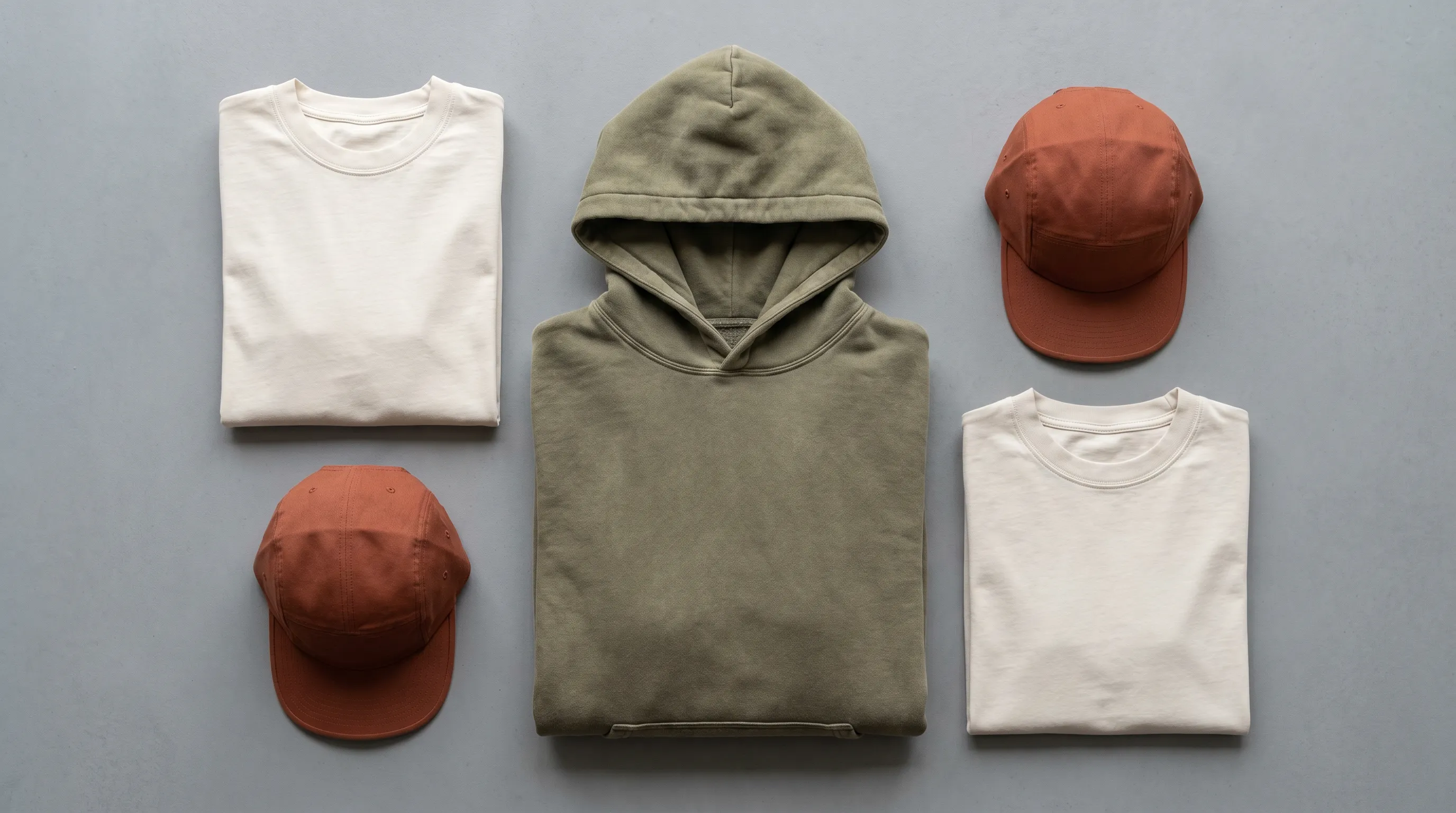
Solo founders launching a first drop who can't afford to lab-dip eight colors to find three — they render the lineup, post the poll, and sample only what the audience picks. Drop-cadence brands shipping monthly who need a fresh color story every cycle and can't fit lab-dip rounds inside a four-week calendar. E-commerce and merch teams adding colorway SKUs to product pages without a reshoot per shade — the recolor is the product image. Buyers' and wholesale-facing brands presenting a complete, Pantone-coded color story on a line sheet, where every swatch reads in a code the retailer's factory can confirm.
The pattern across all four: streetwear competes on color breadth and drop speed, while physical color development is the slowest, most front-loaded cost in the calendar. Validating colorways at cents-per-render — then sampling only the proven shades — is how a small brand ships a big color story without betting the season on lab dips. Start in the AI Color Changer; the Color Changer feature page covers zone detection and the full TCX library in depth.
Frequently asked questions
How much does it cost to test streetwear colorways with AI versus lab dips?
A physical lab dip runs $50–$200 per color with a 2–4 week turnaround, often across 2–3 approval rounds, so eight candidate colors can cost $400–$1,600 before any garment is sewn. Adstronaut renders each colorway for 2 credits — about $0.25–$0.50 — so the same eight-color lineup costs roughly $2–$4 in credits, in seconds.
Which Pantone library does the Color Changer use?
The Pantone Textile Cotton eXtended (TCX) library — 2,300+ fabric-dyed codes your mill, dyer, and pattern cutter already work from. You search by TCX code, official name, or hex, and every render carries the code your factory reads, so the colorway brief is unambiguous.
Can I recolor just the hoodie body without touching the chest graphic?
Yes. Adstronaut auto-detects the distinct zones on a garment — body, hood lining, ribbing, drawcords, the printed graphic, a cap's crown versus brim — typically 3 to 8 zones. You lock the graphic (it stays pixel-faithful) and recolor only the body, so a chest print holds while the fleece cycles through every candidate shade.
Does an AI render replace a physical lab dip for production?
No, and we won't pretend it does. A render is a visualization for deciding which colors to pursue. Final dye-lot color is still signed off on physical swatches under a D65 daylight light box, with secondary illuminants to check for metamerism. The render narrows twenty ideas to three contenders; the light box approves the dye lot.
How many colorways can I render at once?
Batch 5 images per run on the Standard plan and 10 per run on Pro. The AI applies the same zone configuration across the batch, so a multi-shade or multi-style lineup renders with consistent lighting in one pass — ideal for a drop teaser or a line sheet.
Will the recolored fabric still look like the real material?
Yes. The AI re-renders the fabric in the new Pantone color rather than overlaying a flat tint, so a heavyweight French-terry hoodie still reads as French terry and a washed tee still reads washed. Texture, weave, and shadow are preserved; locked zones come through identical to the source photo.
How accurate is the color compared to what my factory will dye?
Because you pick a real Pantone TCX code, your factory dyes to a defined target judged on Delta E — most brands accept Delta E 1.0–2.0 on visible fabric. The render shows the intended shade for decision-making, but on-screen color always differs slightly from dyed cotton, which is why physical swatch approval under controlled lighting remains the final step.
Can I use the recolored images for a pre-order or drop teaser?
Yes. Renders are high-resolution and commercially licensed on paid plans, so you can post the full colorway lineup as a teaser, run a pre-order, or A/B which shade pulls demand — then commit dye lots only to the colorways that prove out, which is the whole point of testing color before sampling.
What garments does this work for besides hoodies?
Any streetwear silhouette with clear color zones — heavyweight tees, caps, crewnecks, track jackets, totes, and accessories. The zone detection adapts to each item, and for material changes (a different fleece weight, a corduroy brim) the Fabric Swapper applies the same per-zone approach on a different lever.
Render the whole color story before you dye a thread
Upload one streetwear photo. Lock the graphic, pick your Pantone TCX codes, and batch-render the full colorway lineup — about $0.25–$0.50 per shade. Sample only the colors that sell.
Open the AI Color ChangerKeep going
Sources and further reading
- Adstronaut — fashion sampling costs (physical vs. digital) — lab dip $50–$200 per color, 2–4 week turnaround, 2–3 approval rounds; colorway sample $450–$1,500
- Shanghai Garment — Pantone color matching in production — Delta E 1.0–2.0 accepted for visible fabric, <1.0 luxury, up to 3.0 linings; TCX as production standard
- Chiuvention — light source for textile color evaluation — D65 ~6504K primary illuminant for approval; secondary illuminants to detect metamerism
- Queue-it — product drop strategies (2026) — 50–500 units per style typical; colorway demand-testing before full production
- Skema3D — colorway glossary — definition of colorway as one design across multiple color treatments in a line