
Best Photoroom alternatives in 2026
Updated June 10, 2026
The best Photoroom alternative depends on the job. For fashion brands that need on-model imagery and a consistent catalog, Adstronaut AI shoots the garment on a named, repeatable model — 22 models, 8 poses, 12 scenes — for about $1 per image, the step Photoroom's generalist editor leaves shallow. Pixelcut ($0–$30/mo) and remove.bg (free preview, paid from ~$8/mo) win cheaper bulk cut-outs; Pebblely ($9–$39/mo) wins object backdrops. Photoroom itself stays strong for mixed-category mobile cleanup.
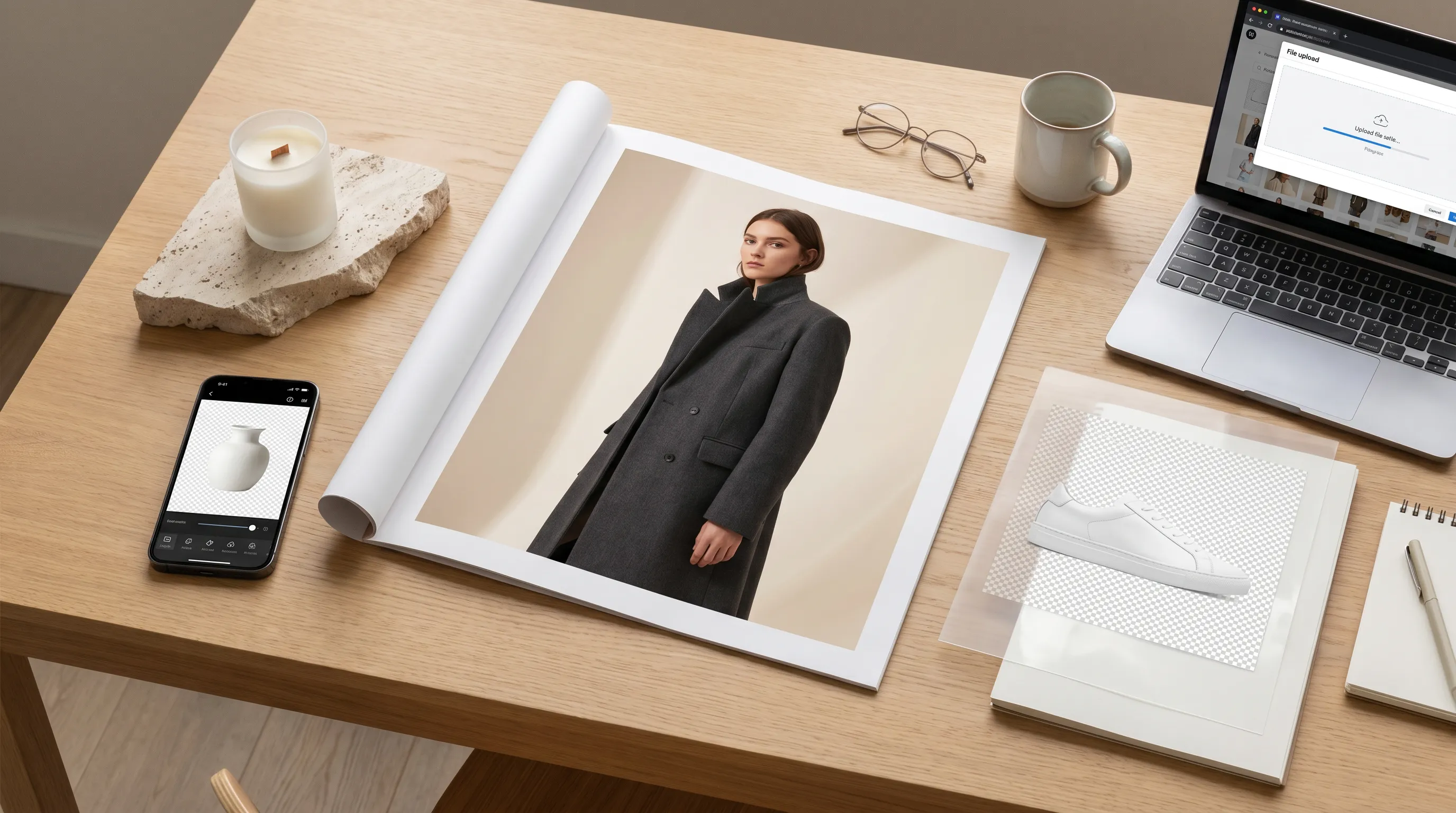
The quick answer
Photoroom stages packshots; fashion sellers leave when they need the garment on a model.
Photoroom is an excellent, mass-market product-photo editor — instant background removal, AI backdrops, batch staging, and fashion-adjacent tools like Virtual Model, Ghost Mannequin, and Unwrinkle, priced from $7.99/month with a generous free tier (Photoroom pricing). But two facts drive the alternatives search for clothing brands: its free tier is licensed for personal, non-commercial use only, so listing products for sale requires Pro at minimum (Photoroom's free-account terms); and its Virtual Model is one add-on inside a category-agnostic app — no published model roster, no pose direction, no way to shoot a whole collection on one consistent face. If on-model fashion imagery is the deliverable, the structural fix is Adstronaut AI — it renders the garment on a named, repeatable model for about $1 per image.
Photoroom alternatives compared: price, best-for, and what each outputs
| Tool | Price (2026) | Best for | What it outputs |
|---|---|---|---|
| Photoroom | Free (250 exports/mo, personal use); Pro $7.99/mo; Max $26.99/mo; Ultra from $99/mo; API $0.02/removal, $0.10/GenAI edit | Mixed-category resellers cleaning and staging packshots from a phone | Cut-outs, AI backgrounds, ghost-mannequin, unwrinkle; Virtual Model add-on for one-off on-model frames |
| Adstronaut AI | Plans from $29/mo; on-model image 5 credits = ~$1 ($0.62–$1.16) | Fashion brands that need on-model imagery and a consistent catalog | On-model editorial shoots — 22 named models, 8 poses, 12 scenes — plus 35-view multi-angle PDP galleries |
| Pixelcut | Free $0; Pro $10/mo ($8 annual); Pro+ $30/mo ($24 annual) | Mobile sellers wanting cut-outs, mockups, and a basic try-on | Background removal, AI scenes, product mockups, single-garment virtual try-on |
| Pebblely | Lite $9/mo (30 images); Basic $19/mo (200); Pro $39/mo (500) | Object/product sellers needing AI backdrops at low volume | Background removal + 40+ themed AI backgrounds; object staging, weak on-model |
| remove.bg | Free preview (0.25 MP / 50 credits/mo); Lite ~$8.10/mo (40 cr); Pro ~$35.10/mo (200 cr) | High-volume pure background removal via web or API | Background removal only — transparent or white-background cut-outs, no staging or models |
Photoroom, Pixelcut, Pebblely and remove.bg priced per their published 2026 pricing pages; Adstronaut per its plan credits. remove.bg free output is full-resolution only on paid credits (free preview is low-res). 'Output' = what the tool produces versus what you still supply.
Why fashion sellers look for a Photoroom alternative
Photoroom is genuinely good at what it does — it processes roughly 50 million images a month by its own count and reviews skew positive. The switching pattern for clothing brands isn't about quality; it's about fit, and three reasons dominate.
No true on-model fashion photoshoots at depth. Apparel converts on bodies, not on hangers, and Photoroom's center of gravity is the product-only image. Its Virtual Model tool (Photoroom Virtual Model) does place a flat-lay or ghost-mannequin garment onto an AI model, but it's a single add-on inside a generalist editor: the model catalog size isn't published, pose direction is limited, and reusing one identity across a 15-piece drop means manually saving models into the Pro-tier Brand Kit. There's no concept of shooting a collection — which is exactly what a PDP and a campaign run on.
The free tier doesn't cover commercial use. Photoroom's free plan gives 250 exports a month with no watermark, but the license is personal, non-commercial — so the moment you list a garment for sale, you're on Pro ($7.99/month) or above. Sellers who assumed "free" meant "free to use commercially" hit this wall fast.
It's a generalist, not a fashion tool. Photoroom serves resellers, electronics, beauty, and homeware equally. That breadth is a strength for a Vinted seller and a limitation for a fashion brand that needs garment-specific fidelity — fabric drape, seam placement, hardware — rendered on a model who looks the same across every SKU. A generalist editor optimizes for the median product photo; a fashion brand needs the edge cases that decide returns, like how a knit drapes at the shoulder or whether a buckle reads as cheap. The fairness note: for bulk background removal and mixed-category mobile staging, Photoroom remains the right tool, and most of the alternatives below only beat it on one axis. Adstronaut is the one that changes the job entirely.
Which Photoroom alternative fits your job?
The best Photoroom alternative by use case
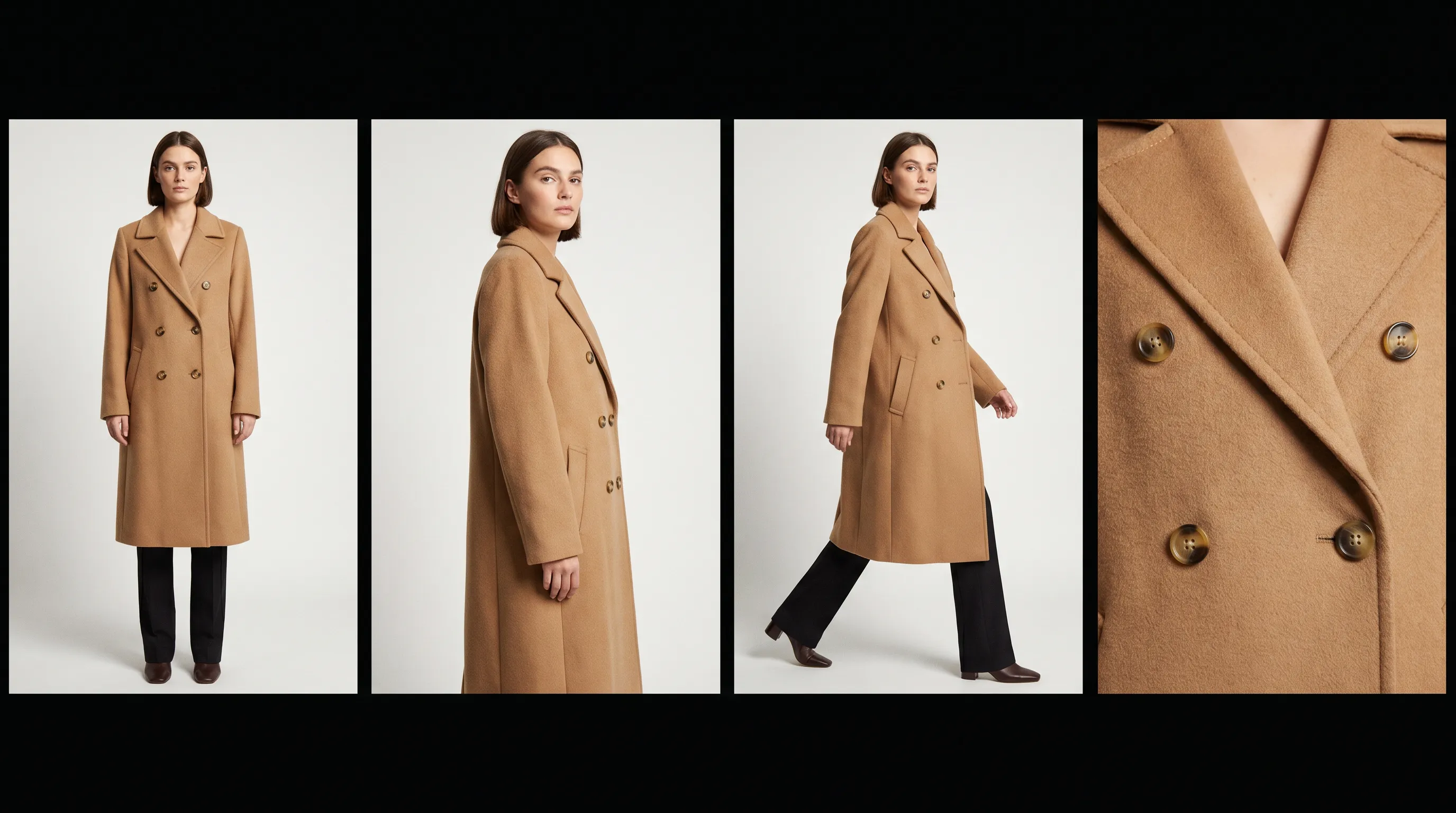
On-model fashion imagery and a consistent catalog → Adstronaut AI. The only option here built for fashion end to end. Upload a flat-lay or mannequin shot and Adstronaut renders the garment on a named, repeatable model — 22 models (12 women, 10 men), the same face across every pose, scene, and SKU — so a 15-piece drop reads as one editorial session. You direct 8 poses (full-length, three-quarter, dynamic walk, side profile, detail close-up, over-the-shoulder, seated, leaning) and 12 named scenes plus 36 lifestyle presets, and can assemble a full outfit from separate uploads across top, bottom, full-body, and footwear slots. An image is 5 credits — about $1 — and the Lookbook Creator adds the multi-angle PDP gallery. The deepest head-to-head is Photoroom vs Adstronaut.
Mobile cut-outs, mockups, and a quick try-on → Pixelcut. Pixelcut is Photoroom's closest rival — a mobile-first product-photo app at Free / Pro $10/mo / Pro+ $30/mo (Pixelcut pricing) with background removal, AI scenes, product mockups, and a basic single-garment virtual try-on. Cheaper than Photoroom's Max tier and arguably faster for one-off mockups, but the same structural limit: it stages the photo you have rather than shooting a fashion catalog. See Pixelcut vs Adstronaut for that matchup.
Object and product backdrops at low volume → Pebblely. Pebblely specializes in dropping a product onto 40+ themed AI backgrounds at Lite $9/mo (30 images), Basic $19/mo (200), Pro $39/mo (500) (Pebblely pricing). Strong for candles, bottles, and accessories on a styled surface; weak on apparel-on-model, which isn't its focus.
High-volume pure background removal → remove.bg. If the only job is clean cut-outs, remove.bg is the purpose-built specialist: a free low-resolution preview plus paid credits from roughly $8.10/month (Lite, 40 credits) and $35.10/month (Pro, 200 credits), with a well-documented API (remove.bg pricing). It does one thing and does it cleanly — but it does only that, with no staging, scenes, or models.
Mixed-category mobile cleanup → staying on Photoroom is legitimate. If you sell across categories from your phone and your need is fast batch cut-outs and quick staging, Photoroom does that job as well as anything — many fashion sellers keep it for prep and pair it with Adstronaut for the shoot.
Staging a packshot vs shooting a campaign
The honest framing of this whole category: Photoroom and its lookalikes are staging tools, and Adstronaut is a shoot. Staging takes a photo you already have and cleans or composites it — cut-out, white background, AI backdrop, shadow, ghost-mannequin, unwrinkle. That's high-value, fast, and exactly right for a reseller moving mixed inventory. But it presumes the hard asset already exists.
For apparel, the hard asset is the garment on a body, shot with direction and repeated consistently across a catalog. That's a different unit of work, and the relevant cost comparison isn't Photoroom's $7.99 subscription — it's the $2,500–$8,000 production day a fashion brand books to get on-model imagery (Squareshot 2026). Against that benchmark, Adstronaut's ~$1 per finished image is the cheaper unit by orders of magnitude, which is why brands leave staging tools the moment on-model conversion drives revenue.
The consistency point is worth dwelling on, because it's the one a staging tool structurally can't solve. A packshot editor treats every image as an independent job, so two runs of "the same" AI model rarely match face-to-face. A catalog needs the opposite: one identity locked across fifteen SKUs so the drop reads as a single editorial session, the way a real shoot books one model for the day. Adstronaut's 22 named models hold that identity across every pose and scene by design — which is the difference between a folder of unrelated images and a coherent collection a buyer trusts. For the full price context of what's being replaced, see how much a fashion photoshoot costs in 2026, and for the wider field, the best AI photoshoot tools for clothing brands.
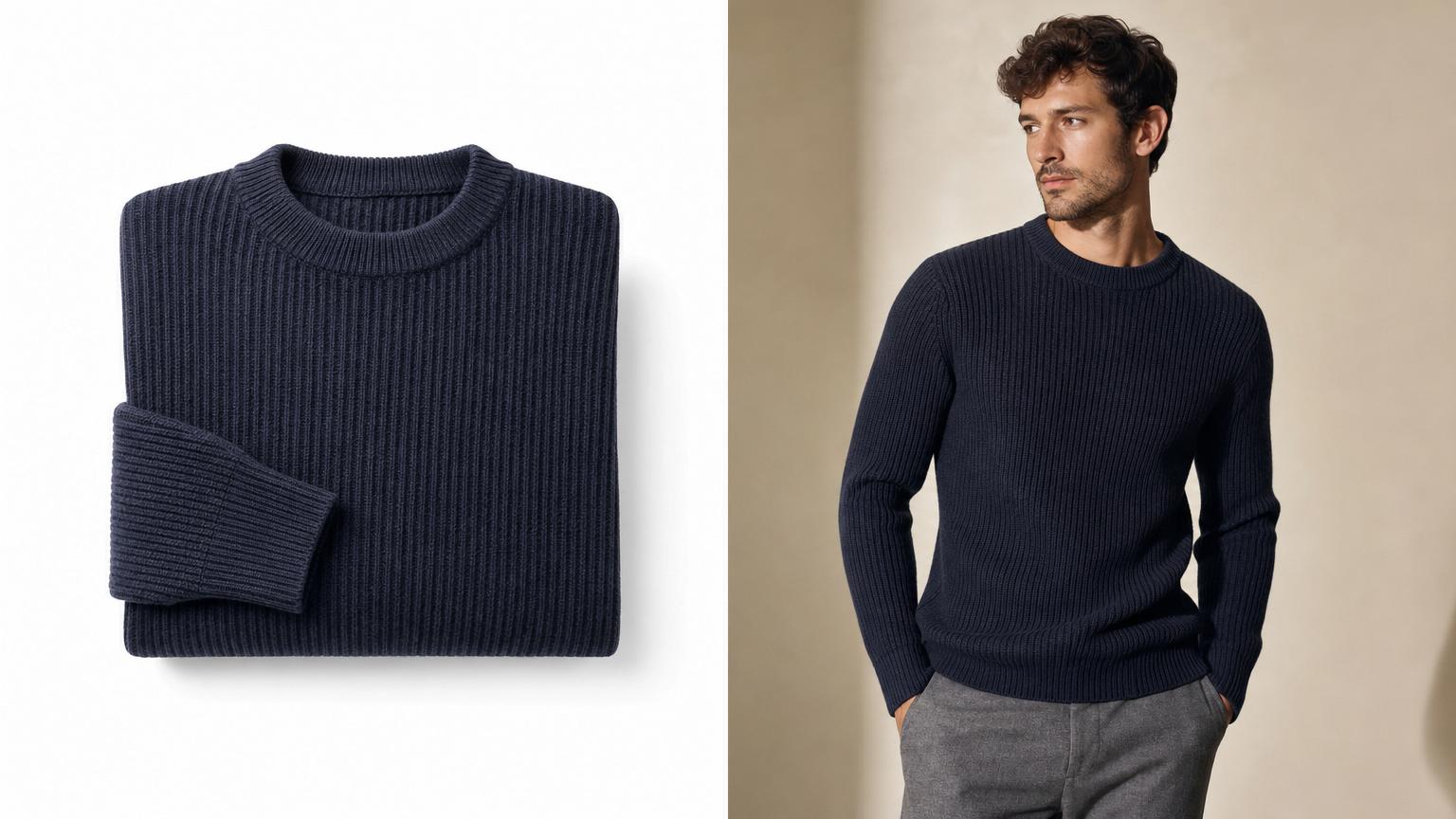
Switch from Photoroom, or stay?
Switch to Adstronaut if…
- ✓Your bottleneck is getting garments onto a model, not cleaning backgrounds — apparel sells on bodies.
- ✓You need one consistent model identity across a whole drop so the catalog reads as a single shoot.
- ✓You want directed shoots: a chosen pose set and named scenes per channel, not a single preset add-on.
- ✓You assemble full outfits from separate garment photos — top, bottom, footwear on one model.
- ✓You're replacing a $2,500–$8,000 studio day, so ~$1 per finished image is the unit price that matters.
Stay on Photoroom if…
- ✓Your volume job is bulk background removal — hundreds of mixed-category SKUs to clean white.
- ✓You sell across categories (beauty, electronics, resale) where on-model fashion rendering is irrelevant.
- ✓You work from your phone, listing items one at a time on Vinted, eBay, or Depop.
- ✓You need quick staging — AI backdrop, shadow, ghost-mannequin, unwrinkle — not a full campaign.
- ✓A flat $7.99–$26.99/month subscription fits your cash flow better than per-image credits.
Many fashion sellers run both: Photoroom to clean and prep source photos, Adstronaut to generate the on-model shoot.
Switching from Photoroom: 4 steps
Moving from staging to shooting takes about an afternoon. The garments you already photographed are your inputs — nothing has to be reshot.
- 1
Keep your raw flat-lays
The phone flat-lay or mannequin shots you fed Photoroom are exactly what Adstronaut accepts as input. Clean them in Photoroom first if they're messy — Adstronaut handles normal photos directly. - 2
Generate one style on a model
Upload a garment to AI Photoshoots (first shoot free, watermarked preview), pick one model for the drop, choose the poses your PDP needs, and pick a studio scene for catalog plus a lifestyle scene for social. - 3
Lock the model for catalog consistency
Reuse the same named model across every SKU so the collection reads as a single editorial session — the consistency Photoroom's Virtual Model can't guarantee across a drop. - 4
Fill the gallery and keep Photoroom for prep
Run the Lookbook Creator for front, back, side, and detail views, and keep a light Photoroom seat for bulk cut-outs if your raw catalog still needs cleanup.
Which Photoroom alternative should you choose?
Fashion brands — indie founders, Shopify apparel sellers, DTC labels — should choose Adstronaut the moment on-model imagery and catalog consistency drive revenue: same model across the drop, directed poses, scene control, outfit assembly, and multi-angle galleries at about $1 per finished image. Mobile resellers moving mixed-category inventory are better served by Pixelcut or by staying on Photoroom. Object and homeware sellers who just need styled backdrops should look at Pebblely. High-volume cut-out pipelines that need nothing but clean transparency belong on remove.bg's API.
If you've outgrown staging tools entirely and are weighing a photographer, start with can't afford a fashion photographer. For the Shopify-specific spec, see AI product photos for Shopify.
Frequently asked questions
What is the best alternative to Photoroom?
It depends on the job. For fashion brands that need on-model imagery and a consistent catalog, Adstronaut AI is the strongest alternative — it shoots the garment on a named, repeatable model (22 models, 8 poses, 12 scenes) for about $1 per image, which Photoroom's generalist Virtual Model add-on can't do at catalog depth. For cheaper bulk cut-outs, Pixelcut and remove.bg win; for object backdrops, Pebblely. Photoroom itself stays strong for mixed-category mobile cleanup.
How much does Photoroom cost in 2026?
Per its published pricing: a Free plan with 250 exports per month (no watermark, personal/non-commercial license only), Pro at $7.99/month, Max at $26.99/month, and Ultra from $99/month for catalog-scale volume. Its API bills separately at $0.02 per background removal and $0.10 per GenAI edit. The catch for sellers is that commercial use of output requires Pro or above.
Can Photoroom generate on-model fashion photos?
At a basic level, yes — its Virtual Model tool (paid tiers) places a garment from a flat-lay or ghost-mannequin shot onto an AI model with pose and background selection. But it's one add-on inside a generalist editor: the model catalog size isn't published, and reusing one identity across a collection requires Brand Kit setup. Adstronaut makes this the core product — 22 named models, 8 poses, 12 scenes, consistent across every SKU.
Why do fashion brands switch from Photoroom?
The trigger is almost always the same: they've cleaned their packshots but conversion stalls because apparel sells on bodies, and Photoroom can't deliver a consistent on-model catalog — no published reusable roster, no pose direction, no outfit assembly. The second trigger is the free tier's personal-use-only license, which forces a paid plan the moment products are listed for sale.
Is Adstronaut cheaper than Photoroom?
They price different jobs. Photoroom is a flat subscription — Free (250 exports), Pro $7.99/month, Max $26.99/month — ideal for high-volume background cleanup. Adstronaut charges about $1 per finished on-model image (5 credits) on plans from $29/month. For cut-outs, Photoroom is cheaper; for finished on-model photography the relevant alternative is a $2,500–$8,000 studio day, against which $1 per image is far cheaper by the unit.
Does Photoroom's free plan allow commercial use?
No — and this is the trap for sellers. The free tier includes 250 exports per month with no watermark, but the license covers personal, non-commercial use only; listing products for sale requires Pro ($7.99/month) or above, per Photoroom's own help documentation. Adstronaut's paid plans license every image for commercial use with no model releases; its free tier is a watermarked preview.
Is Pixelcut a good Photoroom alternative?
For mobile cut-outs, mockups, and a basic single-garment try-on, yes — Pixelcut is Photoroom's closest rival at Free / Pro $10/month / Pro+ $30/month, and often cheaper than Photoroom's Max tier. But it shares the same limit: it stages the photo you have rather than shooting a fashion catalog on a consistent model. For an on-model collection, Adstronaut is the closer fit.
What about Pebblely and remove.bg?
Pebblely specializes in object/product backdrops — 40+ themed AI backgrounds at $9–$39/month — strong for candles, bottles, and accessories, weak on apparel-on-model. remove.bg is a pure background-removal specialist with a free low-resolution preview and paid credits from about $8.10/month; it does cut-outs cleanly but offers no staging, scenes, or models. Both beat Photoroom on one narrow axis rather than replacing it for fashion.
Can I assemble a full outfit from separate garment photos?
In Adstronaut, yes — the E-commerce workflow has four slots (top, bottom, full-body, footwear); upload one garment per slot and the AI assembles the complete look on a single model in your chosen pose and scene. Photoroom's Virtual Model and Pixelcut's try-on both work one garment image at a time and don't combine separate pieces into a styled outfit.
Can I keep Photoroom and still use Adstronaut?
Yes, and many fashion sellers do exactly this: clean and prep raw flat-lays in Photoroom (or remove.bg), then generate the on-model shoot in Adstronaut. The division of labor is clean — Photoroom stages the product photo, Adstronaut shoots the campaign — and Adstronaut accepts normal photos directly, so the cleanup step is optional when your flat-lays are already tidy.
Shoot the on-model catalog Photoroom can't
Photoroom stages the product photo. Adstronaut puts it on a model — the same named model across your whole drop, in the poses and scenes your PDP and campaign need. Upload one garment photo and get editorial on-model imagery in minutes. First shoot free, then about $1 per image.
Try AI PhotoshootsKeep exploring
Sources and further reading
- Photoroom — pricing (Free, Pro, Max, Ultra) — 250 free exports/mo; Pro $7.99/mo; Max $26.99/mo; Ultra from $99/mo (2026)
- Photoroom — free accounts and commercial use — free-tier license is personal, non-commercial; commercial use needs Pro+
- Photoroom — Virtual Model — flat-lay/ghost-mannequin to AI model; model catalog size not published; Brand Kit model saving
- Pixelcut — pricing — Free; Pro $10/mo ($8 annual); Pro+ $30/mo ($24 annual) (2026)
- Pebblely — pricing — Lite $9/mo (30 images); Basic $19/mo (200); Pro $39/mo (500); 40+ themes (2026)
- remove.bg — pricing — free low-res preview / 50 credits/mo; Lite ~$8.10/mo (40 cr); Pro ~$35.10/mo (200 cr) (2026)
- Squareshot — clothing brand photoshoot cost (2026) — $2,500–$8,000 typical production day; per-image economics