
Best Tukatech alternatives in 2026
Updated June 10, 2026
The best Tukatech alternative depends on the job. For brands that need a factory-ready tech pack rather than a graded CAD pattern, Adstronaut AI writes the flat sketch, BOM, and graded measurements from one photo for $3–6 per pack with no CAD — TUKAcad starts at $19/month but scales into per-user enterprise licensing by quote and is Windows-only pattern software. CLO 3D ($450/yr) and Optitex (quote) suit teams that genuinely draft patterns; Illustrator suits hand-drawn flats.
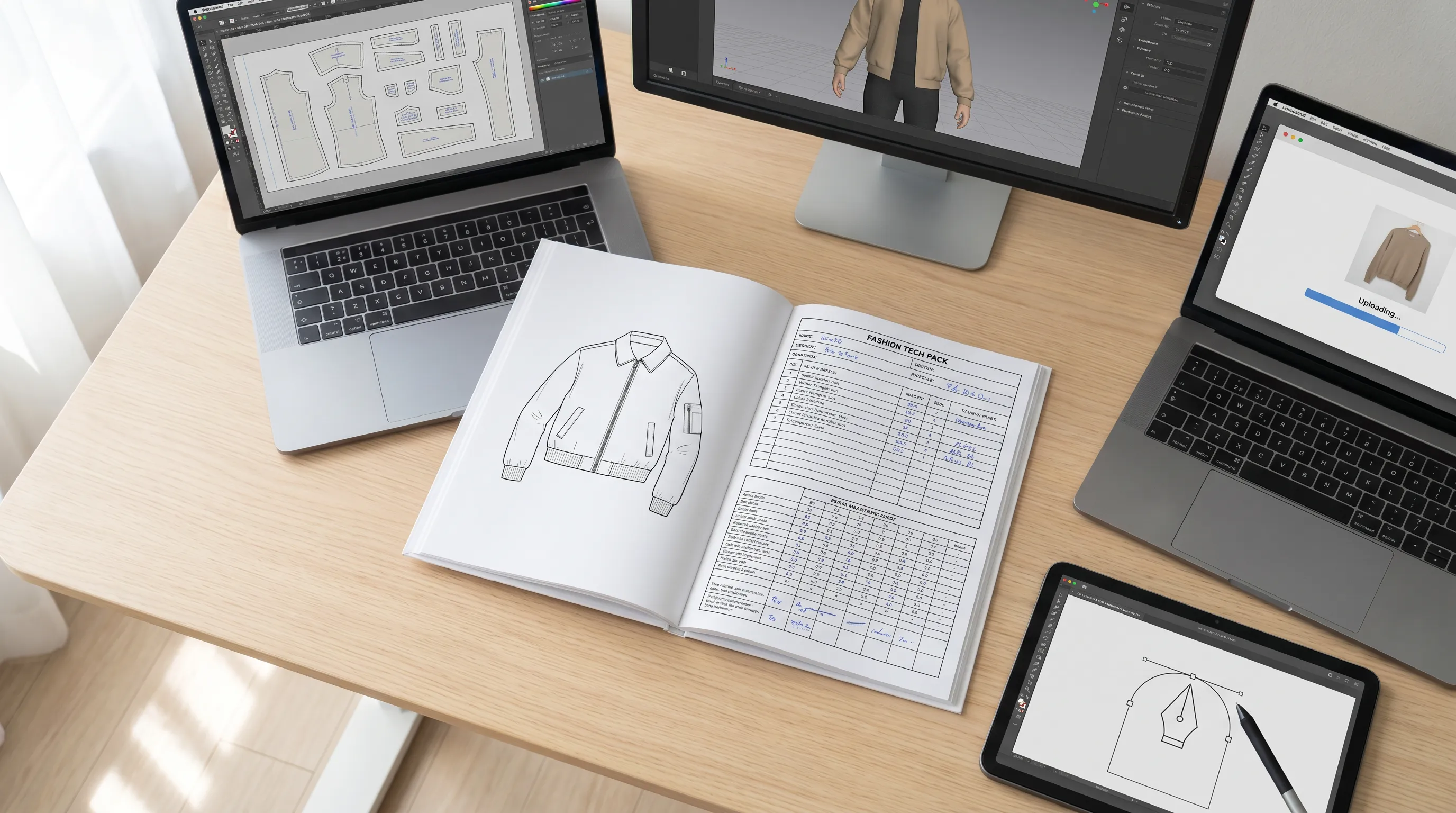
The quick answer
Most people searching for a Tukatech alternative don't need cheaper pattern CAD — they need a different category.
Tukatech makes fashion pattern-making CAD: TUKAcad for 2D pattern drafting, grading, and marker-making, and TUKA3D for 3D draping and virtual fit. It is genuinely capable software — Capterra rates TUKAcad 4.8/5 across 10 reviews — and it starts accessibly at $19/month (TUKAcad pricing). But it is Windows-only, the enterprise tiers are per-user and quote-based (Designer, Patternmaker, Grader, and Viewer license types), and it assumes you draft and grade patterns. If your real deliverable is a factory-ready tech pack rather than a graded pattern, the practical alternative isn't another CAD suite — it's Adstronaut AI, which generates the flat, BOM, and graded measurements from one photo for $3–6. If you truly need pattern drafting, CLO 3D and Optitex are the closer substitutes.
Tukatech alternatives compared: price, best-for, and what each outputs
| Tool | Price (2026) | Best for | What it produces |
|---|---|---|---|
| Tukatech (TUKAcad / TUKA3D) | TUKAcad from $19/mo; TUKA3D $29/mo or $280/yr; enterprise per-user (Designer/Patternmaker/Grader/Viewer) by quote; Windows-only | Manufacturers and pattern rooms doing 2D/3D pattern drafting, grading, and marker-making | Graded digital patterns, markers, and 3D virtual samples — not a tech-pack document |
| Adstronaut AI | Plans from $29/mo; tech pack 25 credits = $3–6 | Founders and small brands with no CAD or patternmaking skills | Flat sketch, structured BOM, graded POMs, and construction notes from one photo |
| CLO 3D | $50/mo or $450/yr individual; Enterprise by quote | Designers learning 3D draping for virtual samples | 3D garment simulation and virtual fit; tech-pack data export via CLO-SET; steep curve |
| Optitex | Enterprise quote only (not published) | Manufacturers needing integrated 2D/3D pattern CAD | 2D pattern CAD plus 3D prototyping — the heaviest curve here |
| Adobe Illustrator | $22.99/mo annual, $34.49/mo monthly (single app) | Studios hand-drawing flats and bespoke artwork | Manual vector flats; BOM and grading live in Excel — 6–10 hrs/style |
TUKAcad/TUKA3D prices per third-party listings of Tukatech's published plans (TUKAcad from $19/mo; TUKA3D $29/mo, $149/6-mo, $280/yr); enterprise is per-user and quote-based. CLO and Adobe per their published plans; Optitex is quote-only.
Why brands look for a Tukatech alternative
Tukatech is built for the pattern room — the workflow manufacturers and technical-design teams use to draft, grade, and nest patterns at production scale. Three concrete realities push smaller brands to look elsewhere, and they're about fit rather than quality.
It's pattern CAD, not a tech-pack generator. TUKAcad drafts and grades 2D patterns and builds markers; TUKA3D drapes them into 3D virtual samples. None of that produces the document a factory reads first — the flat sketch, the bill of materials, the graded points of measure laid out as a spec. If your deliverable is a tech pack, you're buying a pattern engine to do a documentation job.
It assumes a patternmaker and a learning curve. The input to pattern CAD is patternmaking skill. A founder without it has nothing to draft. Reviewers praise TUKAcad's tutorials, but the same reviews flag that mastery takes training — and that "their training class is also so expensive" (Capterra reviews). Pattern CAD proficiency across the category is measured in months, not days.
The pricing and platform have hard edges. The $19/month entry tier is real, but the production setup is per-user enterprise licensing by quote across Designer, Patternmaker, Grader, and Viewer seats, with modules raising the per-seat price. It's also Windows-only, which rules out Mac-based studios entirely (Capterra reviews). The fairness note: for a manufacturer or graded-production pattern room, that's exactly the right tool — its 4.8/5 reviews reflect strong CAD. The switchers are mostly small brands who needed the tech pack, not the pattern.
Pattern CAD vs. the tech pack, visualized
The best Tukatech alternative by use case
No patternmaker, you need a tech pack → Adstronaut AI. The only option here that writes the flat itself — plus a structured BOM, graded measurements with tolerances, and construction notes — from one photo, for $3–6 per pack across apparel, footwear, leather goods, knitwear, and bodywear. No CAD, no Windows requirement, no patternmaking. First pack free. The best tech pack software roundup places this matchup in fuller context.
You genuinely draft patterns and want 3D → CLO 3D. At $50/month or $450/year (CLO pricing), CLO simulates garments in 3D and exports tech-pack data via CLO-SET — the closest cross-platform substitute for TUKA3D, with a steep patternmaking curve of its own. Our CLO 3D alternatives page runs the same analysis from the CLO side.
Manufacturer needing integrated 2D/3D pattern CAD → Optitex. Robust 2D pattern design plus 3D prototyping, but enterprise quote-only (Optitex) and the heaviest curve on this list. It's a lateral move from Tukatech, not a downsizing — and like Tukatech, it's built for the production pattern room.
Hand-drawn flats and bespoke artwork → Adobe Illustrator. At $22.99–$34.49/month, Illustrator is the cheapest seat here, but it automates nothing — every flat is drawn with the pen tool and the BOM still lives in Excel, a 6–10 hour cycle per style covered in our Illustrator vs Adstronaut comparison.
Production pattern room with graded styles → staying on Tukatech is legitimate. If you draft, grade, and nest markers for manufacturing at scale, TUKAcad does that job well and TUKA3D adds virtual fit — keep it. Some teams pair it with an AI tech-pack generator for the documentation layer it doesn't produce.
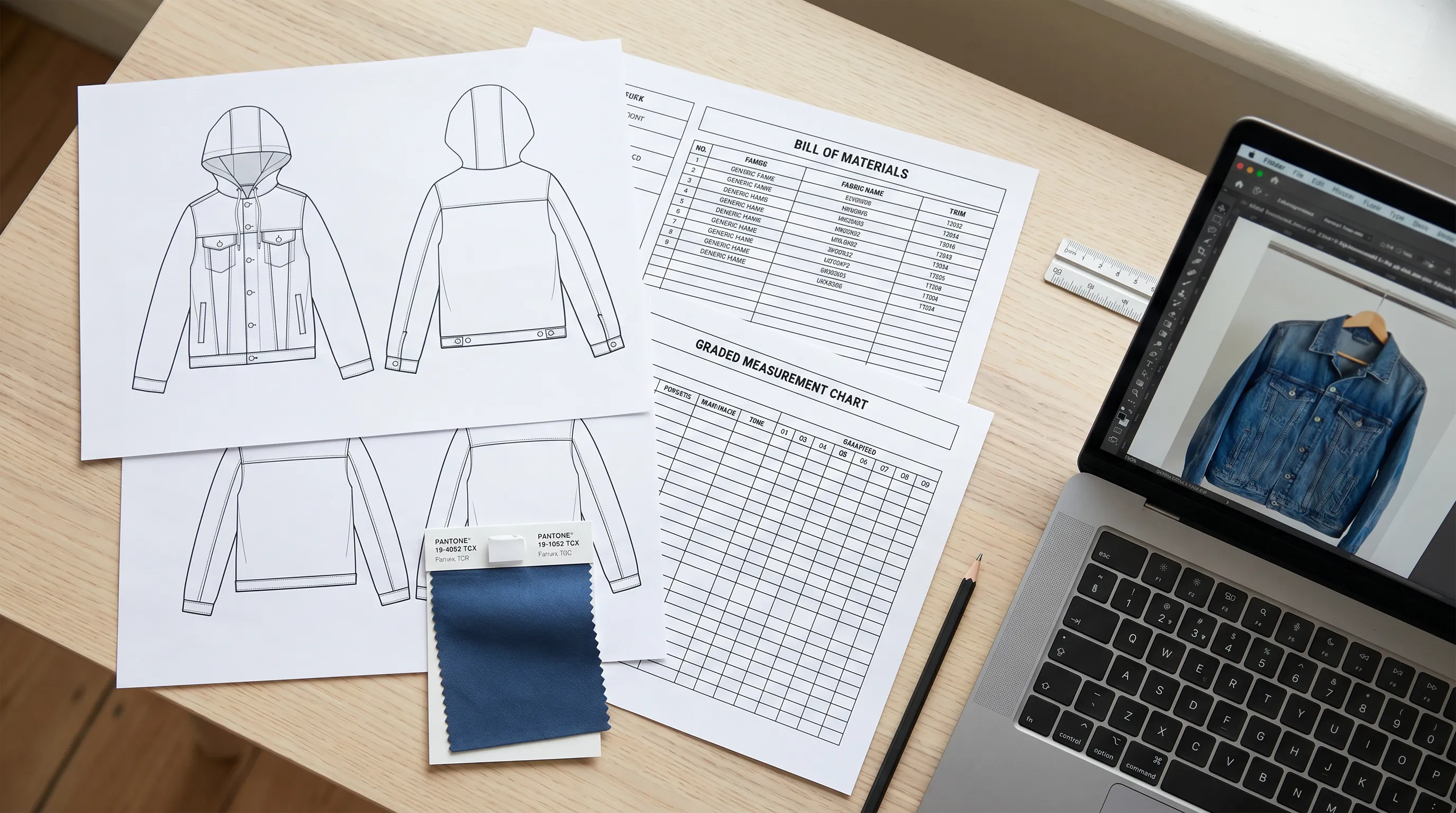
Switch from Tukatech, or stay?
Switch to Adstronaut if…
- ✓Nobody drafts patterns — pattern CAD has nothing to draft, and your real need is the tech pack.
- ✓You're on a Mac, or a mixed studio — Adstronaut runs in any browser; TUKAcad is Windows-only.
- ✓You want per-output costs: five packs ≈ $29 of credits instead of per-user CAD seats by quote.
- ✓You need class-specific packs (footwear, knitwear, leather, bodywear) without learning each convention.
- ✓Your real goal is speed to factory: photo to print-ready PDF in under 30 minutes.
Stay on Tukatech if…
- ✓You draft, grade, and nest markers for production — that's the job TUKAcad is built for.
- ✓You need true 3D draping and virtual fit from your own graded patterns via TUKA3D.
- ✓You run a manufacturer or pattern room where graded-pattern accuracy is the deliverable.
- ✓You're invested in TUKAcenters or its production pipeline and the workflow is paying off.
- ✓Your team has the patternmaking skills and Windows hardware the software assumes.
A pairing also works: draft and grade the pattern in Tukatech, then generate the tech-pack document in Adstronaut for the factory.
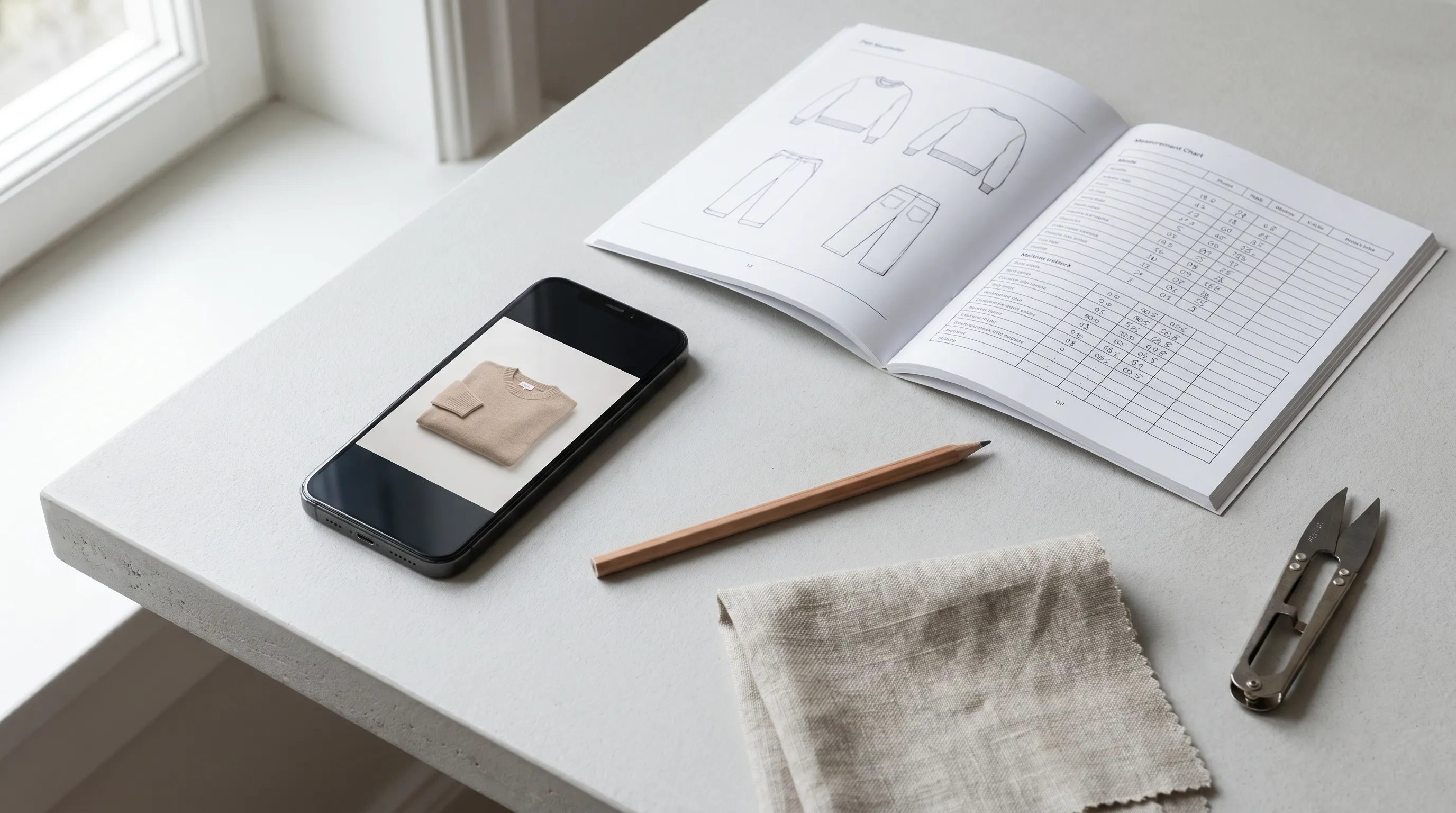
Why Adstronaut is the practical alternative for small brands
Adstronaut AI and Tukatech aren't the same category — and for a small brand, that's the point. Tukatech makes a graded pattern and a 3D virtual sample; Adstronaut makes the deliverable a small brand actually ships: the tech pack.
No CAD, no pattern, no Windows requirement. Upload a flat-lay, mannequin shot, or mockup and the AI Tech Pack Generator writes the flat sketch, bill of materials, graded measurements (held to the relevant ASTM tables where one applies, like D5585 for women's sizing), and construction notes in 3–5 minutes — in any browser, on any OS. The AI Designer turns a moodboard into a photoreal concept for about $2, and AI Photoshoots render the finished garment on a named model for about $1 per image — the visualization layer pattern-CAD users otherwise export renders for.
Per-output economics. A 20-style collection runs roughly $60–$120 in tech-pack credits on plans from $29/month, against per-user CAD licensing you'd quote and the patternmaking capability you'd have to hire. The honest boundary: Adstronaut does not draft patterns, grade markers, or simulate drape physics. If you need a production-ready graded pattern or a true virtual fit sample, Tukatech, Optitex, or CLO wins — and our digital sampling guide explains where each approach fits in a sampling strategy.
Trying the switch: a zero-risk test in 4 steps
- 1
Pick one in-development style
Choose a garment you'd otherwise document around a TUKAcad pattern. A clear photo of the sample or mockup is the only input — no pattern required. - 2
Generate the pack and compare
Run it through the Tech Pack Generator (first one free). Put it next to your Tukatech-derived spec and check the sections your factory reads: flats, BOM, graded POMs, construction notes. - 3
Move your component knowledge into review
The 10–15 minute review is where your supplier names, exact measurements, and preferred trims go — the same knowledge that lived in your pattern room's spec. - 4
Keep pattern CAD only where it's the deliverable
If a fit-critical or graded-production style genuinely needs a drafted pattern or virtual drape, keep a Tukatech seat for those — many brands run AI for the documentation and CAD only for the patterns.
Which Tukatech alternative should you choose?
Indie founders and first-time designers without a patternmaker get the most from Adstronaut — it produces the tech pack directly from a photo, skipping the pattern-CAD prerequisite entirely, and runs on any OS. Small DTC and streetwear brands shipping 10–50 styles a year get the cost win: per-output pricing against per-user CAD seats quoted for a pattern room they don't have.
Designers who specifically want 3D draping from their own patterns should evaluate CLO 3D at $450/year, accepting the months-long curve. Manufacturers needing integrated pattern CAD belong with Optitex or by staying on Tukatech in enterprise territory. Studios with a technical designer drawing bespoke flats keep Illustrator. For the deeper context, read the best tech pack software roundup and the Techpacker vs Adstronaut vs Illustrator breakdown.
Frequently asked questions
What is the best alternative to Tukatech?
It depends on the job. For brands that need a factory-ready tech pack rather than a graded pattern, Adstronaut AI is the strongest alternative — it generates the flat sketch, BOM, and graded measurements from one photo for $3–6 per pack, with no CAD and on any OS. For teams that genuinely draft patterns, CLO 3D ($450/year) and Optitex (quote) are the closer substitutes to TUKAcad and TUKA3D; Illustrator fits hand-drawn flats.
How much does Tukatech cost in 2026?
Per third-party listings of Tukatech's published plans, TUKAcad starts at $19/month (billed monthly, cancel anytime), and TUKA3D runs $29/month, $149 for six months, or $280/year. Those are entry tiers — production setups use per-user enterprise licensing (Designer, Patternmaker, Grader, and Viewer license types) priced by quote, with added modules raising the per-seat cost. A free trial is available, and the software is Windows-only.
Does Tukatech generate tech packs?
Not as a document workflow. TUKAcad is pattern-making CAD (drafting, grading, marker-making) and TUKA3D is 3D draping and virtual fit — they produce graded patterns, markers, and virtual samples, not the flat sketch plus BOM plus graded spec a factory reads as a tech pack. Adstronaut is the alternative that writes that tech-pack document from a garment photo, with no patternmaking required.
Why do people switch away from Tukatech?
Three patterns dominate: it's pattern CAD when many brands actually need a tech-pack document; it assumes a patternmaker and a months-long learning curve (with training that reviewers note is expensive); and it's Windows-only with per-user enterprise licensing by quote. Manufacturers and pattern rooms with the skills and the need tend to stay — the switchers are mostly small brands who wanted the tech pack, not the pattern.
Is Adstronaut AI cheaper than Tukatech?
For small brands, usually yes. TUKAcad starts at $19/month but production setups use per-user enterprise licensing by quote, plus paid training. Adstronaut charges per output: a tech pack is 25 credits — about $5.80 on the $29/month Standard plan, down to roughly $3.10 on annual Studio — and the first pack is free. A 20-style collection costs about $60–$120 in credits, with no per-seat CAD licensing or training fees.
Is Adstronaut a pattern-making CAD tool like Tukatech?
No — and that's the honest distinction. TUKAcad drafts and grades 2D patterns and TUKA3D drapes them in 3D. Adstronaut uses AI to generate tech packs and product imagery from a photo; it does not draft patterns, grade markers, or simulate drape physics. If you need a production-ready graded pattern or a virtual fit sample, stay with Tukatech, Optitex, or CLO. If you need the tech-pack document, Adstronaut is faster and far cheaper.
Is CLO 3D a good Tukatech alternative?
Yes, if you draft patterns and want 3D draping. CLO 3D ($50/month or $450/year) simulates garments in 3D and exports tech-pack data through CLO-SET, and unlike TUKA3D it runs on Mac and Windows. It carries a steep patternmaking curve and demanding hardware. For a brand that just needs clean tech packs faster, an AI generator is the closer fit; for virtual-fit-driven development, CLO is the right lane.
Can I get a factory-ready tech pack without pattern-making software?
Yes. Adstronaut generates the complete document — flat sketch, bill of materials, graded measurements with tolerances, construction notes, Pantone colorways — from a single garment photo in 3–5 minutes for $3–6. Factories evaluate completeness and accuracy, not which tool produced the file; the output is a standard print-ready PDF (Excel/CSV export on Pro). You never touch a pattern to produce it.
Does Tukatech work on Mac?
No. TUKAcad is Windows-only, which reviewers cite as a recurring frustration for Mac-based studios. That platform constraint is one reason small brands look for an alternative. Adstronaut runs entirely in the browser on any operating system, so a Mac-based founder can produce a tech pack without a Windows machine or a virtual environment.
Can I keep Tukatech and still use Adstronaut?
Yes, and teams do exactly this: draft and grade the pattern in TUKAcad (or drape it in TUKA3D), then generate the tech-pack document in Adstronaut for the factory. The pairing covers Tukatech's documentation gap — producing the tech pack — while keeping the production-grade patternmaking a manufacturer relies on.
Get the tech pack Tukatech doesn't write
Skip the pattern-CAD step. Upload one garment photo and get a factory-ready tech pack — flat sketch, BOM, graded measurements, construction notes — in minutes, on any OS. First pack free, then $3–6 each.
Try the AI Tech Pack GeneratorKeep exploring
Sources and further reading
- TUKAcad — pricing and features (2026) — TUKAcad starting price $19/month; per-user/module enterprise pricing by quote; free trial
- Capterra — TUKAcad reviews and pricing — 4.8/5 across 10 reviews; Windows-only; 'training class is also so expensive' complaint; $19/mo listed
- TUKA3D — pricing plans — $29/mo, $149/6-mo (20% off), $280/yr; 14-day free trial
- Tukatech — TUKAcad product page — 2D pattern drafting, grading, and marker-making CAD; Designer/Patternmaker/Grader/Viewer license types
- CLO — official pricing — $50/mo or $450/yr individual
- Optitex — 2D/3D CAD — enterprise, request-a-quote pricing
- Adobe Illustrator — pricing — $22.99/mo annual, $34.49/mo monthly single app