
What is tolerance in a garment spec sheet?
Updated June 10, 2026
Tolerance is the acceptable amount a finished garment's measurement can deviate from its target and still pass quality control — written with a ± sign next to each point of measure. A chest specced at 20" ±½" passes anywhere from 19.5" to 20.5". Fit-critical points (chest, waist, hip, shoulder) typically carry ±¼–½"; looser garments and minor points allow up to ±1". The hard rule: each tolerance must stay under half its grade increment, or sizes overlap.
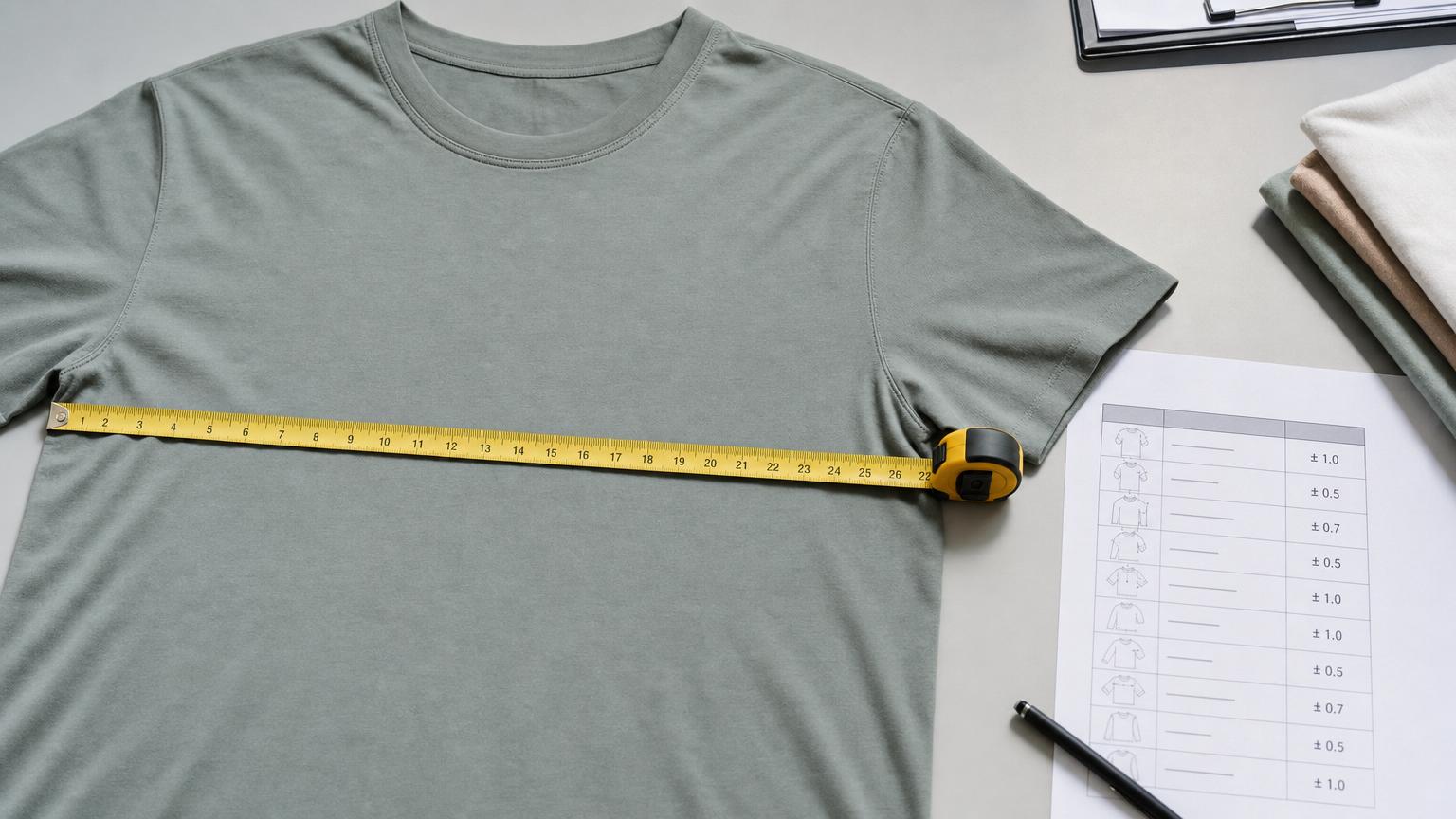
What is a tolerance, and how is one written?
A tolerance is the amount a finished garment's measurement is allowed to vary from the target on the spec sheet and still be accepted at quality control. It's written with a plus/minus sign on every point of measure (POM): across chest 20" ±½" means any garment measuring 19.5" to 20.5" passes, and anything outside that band fails (Alison Hoenes' POM tolerance guide).
Tolerances exist because no two garments come off a production line identically. Fabric relaxes, seam allowances drift, cutting and sewing each add variance — hitting the exact inch on every piece is physically impossible. The tolerance is the engineered allowance for that variance: tight enough to protect fit, loose enough that an honest factory can hit it at scale (Fashion-Incubator on developing sewing tolerances).
The key nuance: a tolerance is what makes a spec enforceable rather than aspirational. A spec sheet of target measurements with no ± column gives a factory nothing to be held to, and gives you no objective basis to reject a bad shipment. The tolerance column turns each row from a wish into a pass/fail test.
Worked example
One tolerance, decided at the QC table
POM #4 on a tee spec reads: "Across chest, 1" below armhole, edge to edge — Size M target 21", tolerance ±½"." That sets the pass band at 20.5"–21.5". At inspection the factory lays the garment flat and reads the tape: a piece measuring 21.3" passes; one measuring 21.8" fails and is flagged as a measurement defect. Now check it against the grade rule. The chest grades +1.5" per size (S 19.5" / M 21" / L 22.5"), so half the grade step is 0.75" — and ±½" sits comfortably under it, meaning a passing L (22"+) can never measure smaller than a passing M (21.5" max). The tolerance is correctly engineered. Loosen it to ±1" and the bands begin to touch — that's where sizes overlap and the trouble starts.
Typical tolerances by point of measure
Indicative values for a core-range top. Exact tolerances are set per brand, fabric, and price point — tighter for fitted wovens, looser for relaxed knits.
| Point of measure | Typical tolerance | Class |
|---|---|---|
| Across chest / bust | ±¼–½" (±0.6–1.3cm) | Fit-critical |
| Waist | ±¼–½" (±0.6–1.3cm) | Fit-critical |
| Hip / seat | ±½" (±1.3cm) | Fit-critical |
| Across shoulder | ±¼" (±0.6cm) | Critical, visible |
| Neck width / drop | ±⅛–¼" (±0.3–0.6cm) | Critical, visible |
| Body length (HPS to hem) | ±½" (±1.3cm) | Moderate |
| Sleeve / inseam length | ±¼–½" (±0.6–1.3cm) | Moderate |
| Bottom sweep / hem | ±½–1" (±1.3–2.5cm) | Non-critical |
| Pocket / placement points | ±¼–½" (±0.6–1.3cm) | Appearance only |
Larger girth measures (chest, hip) often carry ±½"; smaller points (neck, shoulder) get ¼" or less. Casual/knit garments allow ±½–1" where fitted wovens hold ±¼–½". Per Alison Hoenes and Ninghow Apparel tolerance references.
The tolerance-vs-grade-rule trap
This is the single most consequential rule in spec-sheet engineering, and the one most often broken: a POM's total tolerated variance must stay smaller than its grade rule — the increment between sizes. If it doesn't, sizes can legally overlap at QC.
The mechanism is simple. Tolerance is a band within a size; the grade rule is the step between sizes. If the band is wider than the gap, the top of one size's band reaches into the next size down. With a 1" chest grade and a ±¾" tolerance, a Large at the low end of its band can measure smaller than a Medium at the high end of its band — both pass inspection, yet the customer who sized up receives the smaller garment (Alison Hoenes). That produces the maddening review every brand dreads: "I ordered up and it fit smaller."
The industry safeguard is a clean ratio: set each tolerance at no more than half the grade increment. A 1.5" chest grade gets a ±½" tolerance (total variance 1", a full half-inch short of the next size); a 1" grade gets ±¼". Many QC inspectors default to tolerance = half the grade rule when a buyer hasn't specified one (Ninghow Apparel's tolerance guide). It's why numeric sizing (6/8/10), which grades in smaller steps than alpha sizing (S/M/L), demands proportionally tighter tolerances.
Why tolerance must stay under half the grade step
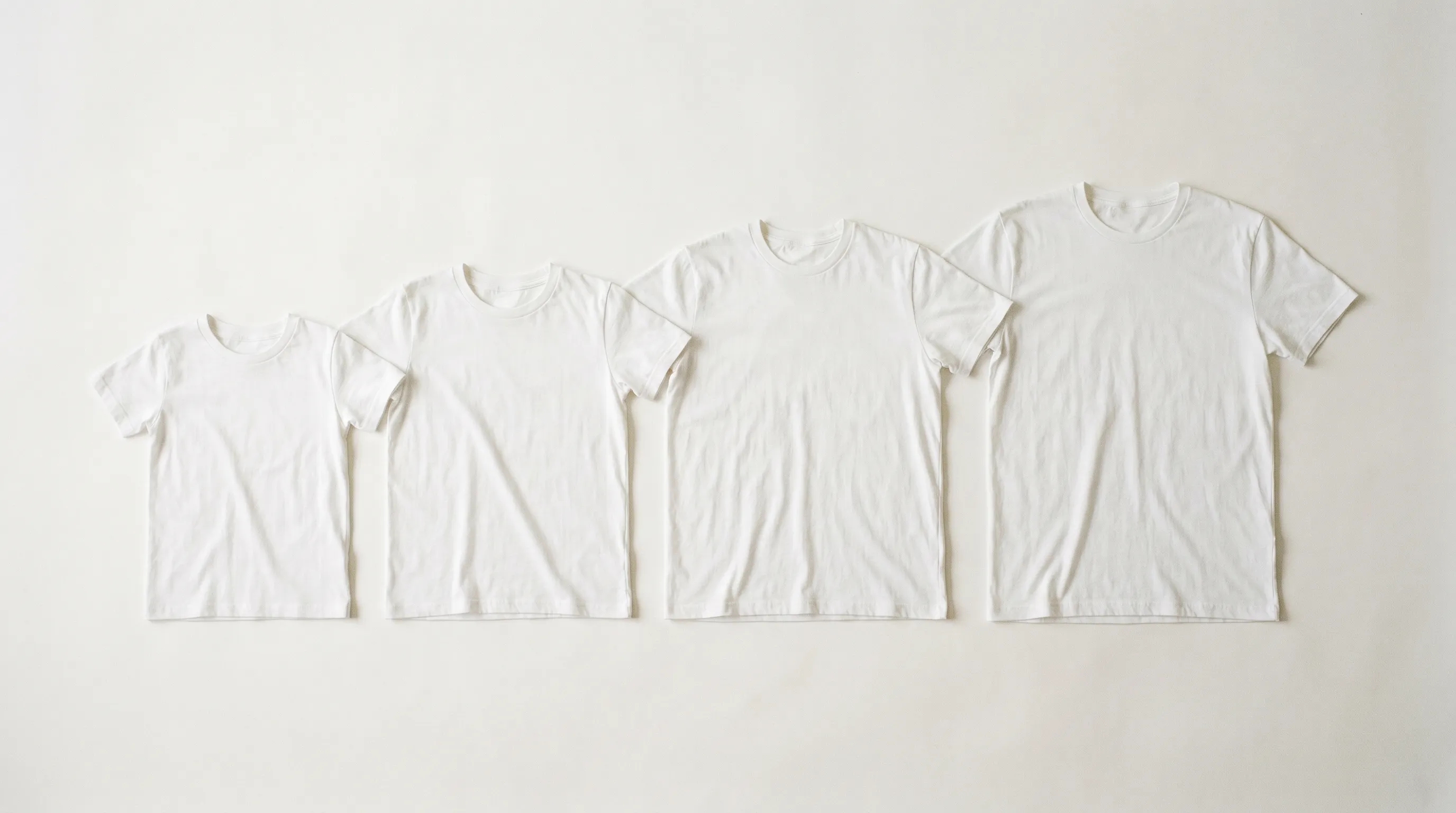
Tight vs loose tolerances: how to decide each POM
Not every POM deserves the same tolerance. The skill is spending tight tolerances where they protect fit and relaxing them where variance is invisible — holding a factory to ±⅛" on the hem sweep of a relaxed tee costs money and earns nothing.
Tighten for fit-critical and fitted. Shoulder, chest, waist, hip, and neck on a fitted style get the smallest tolerances (±¼" or tighter at shoulder and neck), because a small miss there is felt immediately (Alison Hoenes). Premium price points tighten further — the more a customer pays, the less variance they forgive.
Loosen for relaxed, knit, and non-fit points. Casual and oversized garments tolerate ±½–1" where a tailored woven holds ±¼–½", and knits get looser tolerances than wovens because stretch and recovery move the reading (Ninghow Apparel). Appearance-only points (pocket placement, hem sweep, collar spread) run loose at no fit cost. The decision tree: fitted + woven + premium = tightest; loose + knit + budget = most forgiving.
How QC uses tolerance
Tolerance is where the spec sheet meets the factory floor. During a pre-shipment inspection, the QC team lays each sampled garment flat and measures every POM against the chart, recording the actual reading next to the target. A measurement inside its ± band passes; outside, it's logged as a measurement defect (Insight Quality's garment QC guide). Garments are measured flat rather than on a body because flat measurement is repeatable — two inspectors get the same reading, which is the whole point of writing a tolerance.
Those defects feed the AQL (Acceptable Quality Limit) decision — the sampling standard (ISO 2859-1 / ANSI-ASQ Z1.4) that sets how many units to pull and how many defects are allowed before the lot is rejected. Apparel typically inspects at AQL 2.5 for major defects (out-of-tolerance critical POMs are usually majors) and 4.0 for minors (QIMA on AQL). So tolerance isn't a soft target — it's the threshold that, run through AQL, decides whether a container ships or goes back.
Vague tolerances destroy this mechanism: "about 20 inches" can't be inspected; 20" ±½" can. The precision of the tolerance column — not the sewing — is usually what separates an accepted shipment from a costly dispute.
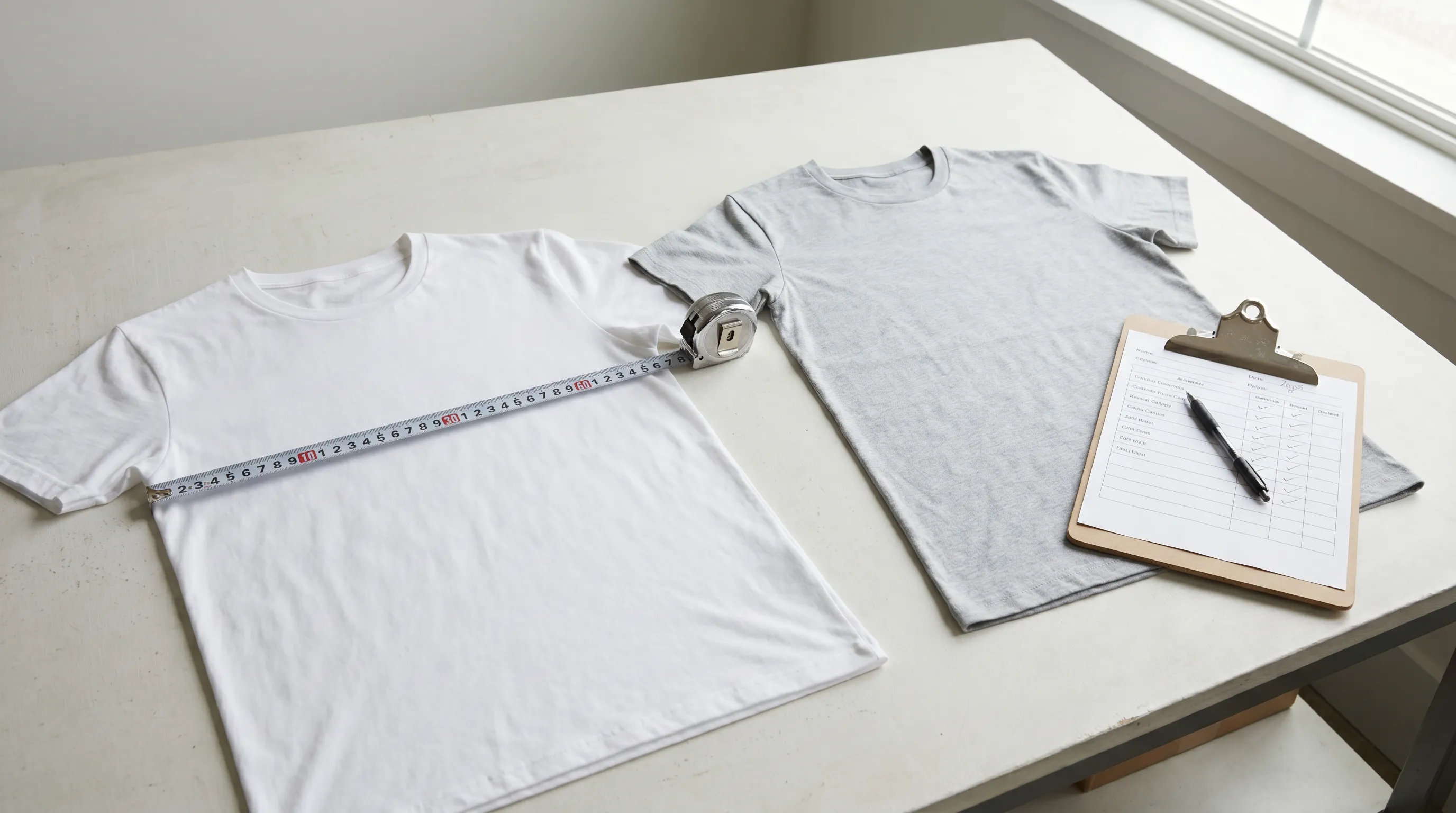
How tolerances get applied today
Manually, applying tolerances means typing a ± value into every row of the measurement chart across the full size run — and silently checking, row by row, that none exceeds half its grade increment. It's slow, and the overlap error is easy to introduce without noticing until returns spike at the range ends.
Adstronaut's Tech Pack Generator writes the chart from a single garment photo: it detects the garment class, places the standard POMs that class needs, grades them across the size range, and returns each POM with a tolerance applied — fit-critical points tighter, secondary points looser — referencing standard body-measurement tables (ASTM D5585 for women's missy, D6240 for men's) where relevant. Every value stays editable, so you tighten or relax any tolerance to match your fabric, fit, and price point before exporting the print-ready PDF.
For the document the tolerance column lives in, see what is a spec sheet; for the per-size increments tolerances must stay under, see what is a grade rule.
Frequently asked questions
What is tolerance in a garment spec sheet?
The acceptable amount a finished garment's measurement can deviate from its target and still pass quality control, written with a ± sign on each point of measure. Chest 20" ±½" passes anywhere from 19.5" to 20.5". It exists because fabric and sewing always introduce small variance, and it's what makes a spec enforceable rather than aspirational.
What is a typical garment tolerance?
Fit-critical points (chest, waist, hip) usually run ±¼–½" (±0.6–1.3cm); small visible points (shoulder, neck) get ±⅛–¼"; relaxed garments and non-fit points allow up to ±1". Metric specs commonly use ±1cm for knit body measures. Exact values depend on garment type, fabric, and price point.
Why must tolerance be smaller than the grade rule?
Because if a POM's tolerance band is wider than the gap the grade rule opens between sizes, the sizes overlap. With a 1" grade and ±¾" tolerance, a Large at the low end can measure smaller than a Medium at the high end — both pass QC, but the customer who sized up gets the smaller garment. Keep each tolerance under half its grade increment.
What happens if tolerance is set too wide?
Sizes overlap and fit becomes unpredictable — two adjacent sizes can measure the same or even invert, producing the review 'I ordered up and it fit smaller.' Too-tight tolerances cause the opposite: honest factories fail on variance they can't physically control, raising cost and rejections.
How does QC use tolerance?
Inspectors lay each sampled garment flat and measure every POM against the spec; inside the ± band passes, outside is logged as a measurement defect. Those defects feed the AQL decision (ISO 2859-1) — apparel typically inspects critical/major defects at AQL 2.5 — which decides whether the whole lot ships or is rejected.
Should knits and wovens have the same tolerances?
No. Knits get looser tolerances because stretch and recovery make a tight target genuinely hard to hit. Fitted wovens hold ±¼–½"; relaxed knits often run ±½–1". The rule: fitted + woven + premium = tightest; loose + knit + budget = most forgiving.
What is a tight vs loose POM?
Tight POMs are fit-critical or highly visible — shoulder, chest, waist, hip, neck — and carry the smallest tolerances. Loose POMs are appearance-only or on relaxed shapes — pocket placement, hem sweep, collar spread — and run wider without fit cost. Spending tight tolerances only where they protect fit keeps factories accountable without inflating cost.
Is tolerance the same as AQL?
No. Tolerance defines how much a single measurement can vary and still be acceptable. AQL is the sampling method — how many units to inspect and how many defects are allowed before rejecting the lot. Tolerance decides whether one measurement passes; AQL decides whether the whole shipment does.
How do you write a tolerance on a spec sheet?
As a ± value in its own column beside each POM's target — e.g. 'Across chest, 1" below armhole: 21" ±½".' Set fit-critical points tighter than secondary ones, keep every value under half the POM's grade increment, and tighten further for fitted wovens and numeric sizing. 'About 21"' can't be inspected.
Can tolerances be applied automatically?
Yes. Adstronaut's Tech Pack Generator detects the garment class from one photo and returns each POM graded across the size range with a tolerance applied — tighter on fit-critical points, looser on secondary ones, referencing ASTM body-measurement tables where relevant. Every tolerance stays editable before the PDF export.
Get tolerances applied automatically
Upload one garment photo and get a graded measurement chart with a tolerance on every POM — fit-critical points tight, secondary points loose, every value editable — inside a factory-ready tech pack. First pack free, then $3–6.
Try the AI Tech Pack GeneratorRelated reading
Sources and further reading
- Alison Hoenes — writing POM tolerances — ± format, ¼–½" ranges, fit-critical vs minor, tolerance-vs-grade overlap
- Ninghow Apparel — apparel quality tolerance guide — default tolerance = half grade rule; fitted vs casual and knit vs woven values
- Fashion-Incubator — developing sewing tolerances — why tolerances exist (real-world production variance)
- Insight Quality — garment QC procedures — flat measurement against spec; measurement defects
- QIMA — Acceptable Quality Limit (AQL) — ISO 2859-1; AQL 2.5 major / 4.0 minor for apparel