
What is a PP sample?
Updated June 10, 2026
A PP sample (pre-production sample, or PPS) is the final garment a buyer approves before bulk production begins. It is sewn on the actual production line using bulk fabric, trims, and labels — a full dress rehearsal of the order. Once signed off, it becomes the sealed golden sample: the legal reference every bulk piece is checked against. It sits between the fit sample and the TOP sample in the proto → fit → PP → TOP sequence.
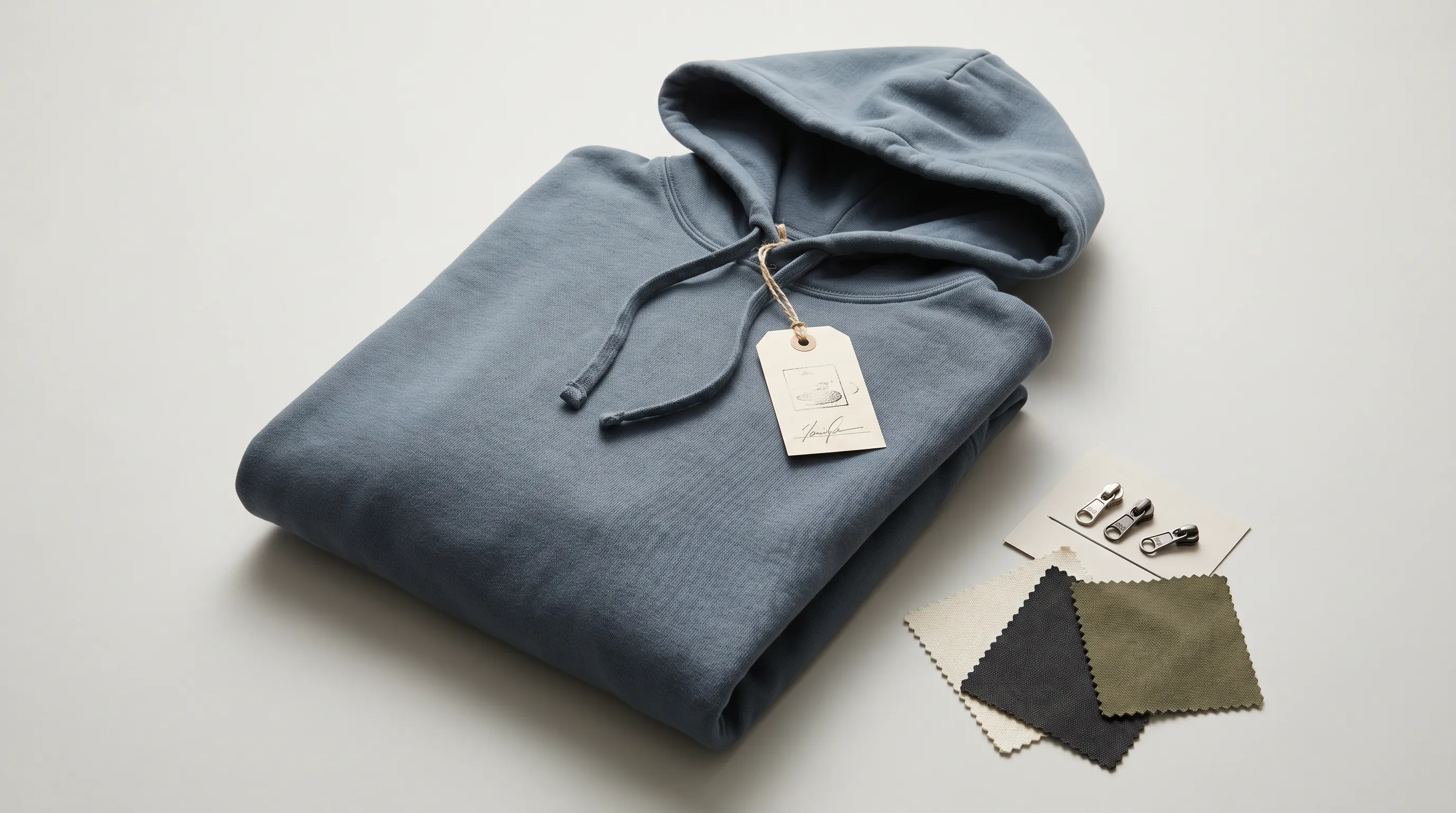
What is a PP sample?
A PP sample — short for pre-production sample, also written PPS or "pre-pro" — is the finished garment a brand or buyer approves immediately before a factory starts bulk production. It is the sign-off sample: the moment a style stops being a development project and becomes an order cleared to manufacture (online clothing study).
What makes the PP sample different from earlier samples is its materials and its method. It is sewn on the actual production line, using bulk fabric, trims, labels, and accessories — not substitutes (techpacker). Where a proto might use a stand-in fabric and a fit sample might run in one size, the PP sample is a faithful preview of exactly what will roll off the line by the thousand. It is, in the industry's own phrase, the "dress rehearsal" for bulk.
The key nuance: approval here is comprehensive, not cosmetic. At PP the buyer signs off on construction and workmanship, the bulk fabric and trims, stitching and seam quality, labeling, and every detail of the make at once. Anything still wrong at this stage gets corrected before — not during — a production run measured in hundreds or thousands of units.
Worked example: a PP sample sign-off
From submitted sample to sealed golden standard
A factory ships a brand its PP sample of a 1,200-unit hoodie order. The brand's quality team lays it against the approved fit sample and the spec sheet and works through a checklist: bulk fleece weight and hand confirmed, drawcord and tipped aglets correct, zipper pull matched to the trim card, care and brand labels in the right place, topstitching even, measurements within tolerance at every point of measure. Two issues surface — the cuff rib is a shade too pink and the woven label sits 5 mm low. The factory corrects both and resubmits. On the second round the buyer signs and stamps the hangtag: this garment is now the sealed (golden) sample. The factory keeps the sealed copy on the floor as the reference, holds a PP meeting to brief the line, and only then cuts the 1,200 units — every one of which will be judged against that one approved garment.
- Made with bulk fabric, trims and labels on the real line
- Approved by the buyer/brand against fit sample + spec
- Signed and sealed → becomes the golden / gold-seal sample
- Triggers the PP meeting, then bulk cutting begins
Where the PP sample sits: proto → fit → PP → TOP
Most apparel programs run five to seven rounds of sampling before bulk, but four stages do the heavy lifting, each a checkpoint that catches a different class of problem (Ninghow Apparel).
Proto (prototype) sample comes first — the design's first physical incarnation, often sewn in a substitute fabric like muslin, just to prove the pattern and construction logic work. Fit sample follows, usually in the intended fabric and the target base size, to dial in measurements, ease, and grading. PP sample is the third checkpoint and the focus of this page: with pattern and fit already locked, it confirms that the real materials and the real production method reproduce everything that was approved. TOP (top of production) samples come last — garments pulled from the live bulk run and checked against the sealed PP sample to confirm the floor is actually delivering what was signed off (Uphance).
Reading the chain as a question each stage answers: proto asks can it be made?, fit asks does it fit?, PP asks is it right in bulk materials?, and TOP asks is bulk matching the standard? PP is the last "before" gate; everything after it is verification, not development.
The four core sampling stages compared
Where the PP sample sits relative to its siblings, and what each stage actually verifies.
| Stage | Materials used | Question it answers | Who approves |
|---|---|---|---|
| Proto (prototype) | Substitute / available fabric (e.g. muslin) | Can the design be constructed? Is the pattern right? | Designer / product team |
| Fit sample | Intended fabric, target base size | Does it fit the body and grade cleanly? | Fit / technical team |
| PP (pre-production) | Bulk fabric, trims, labels — real production line | Is the whole make correct in real materials before bulk? | Buyer / brand (then sealed) |
| TOP (top of production) | Pulled from the live bulk run | Is bulk matching the sealed PP sample? | QC / inspection team |
Brands typically run 5–7 sampling rounds in total (mock-up, proto, fit, size-set, PP, TOP, sometimes shipment); these four are the universal checkpoints. Sources: techpacker, Uphance, Ninghow Apparel.
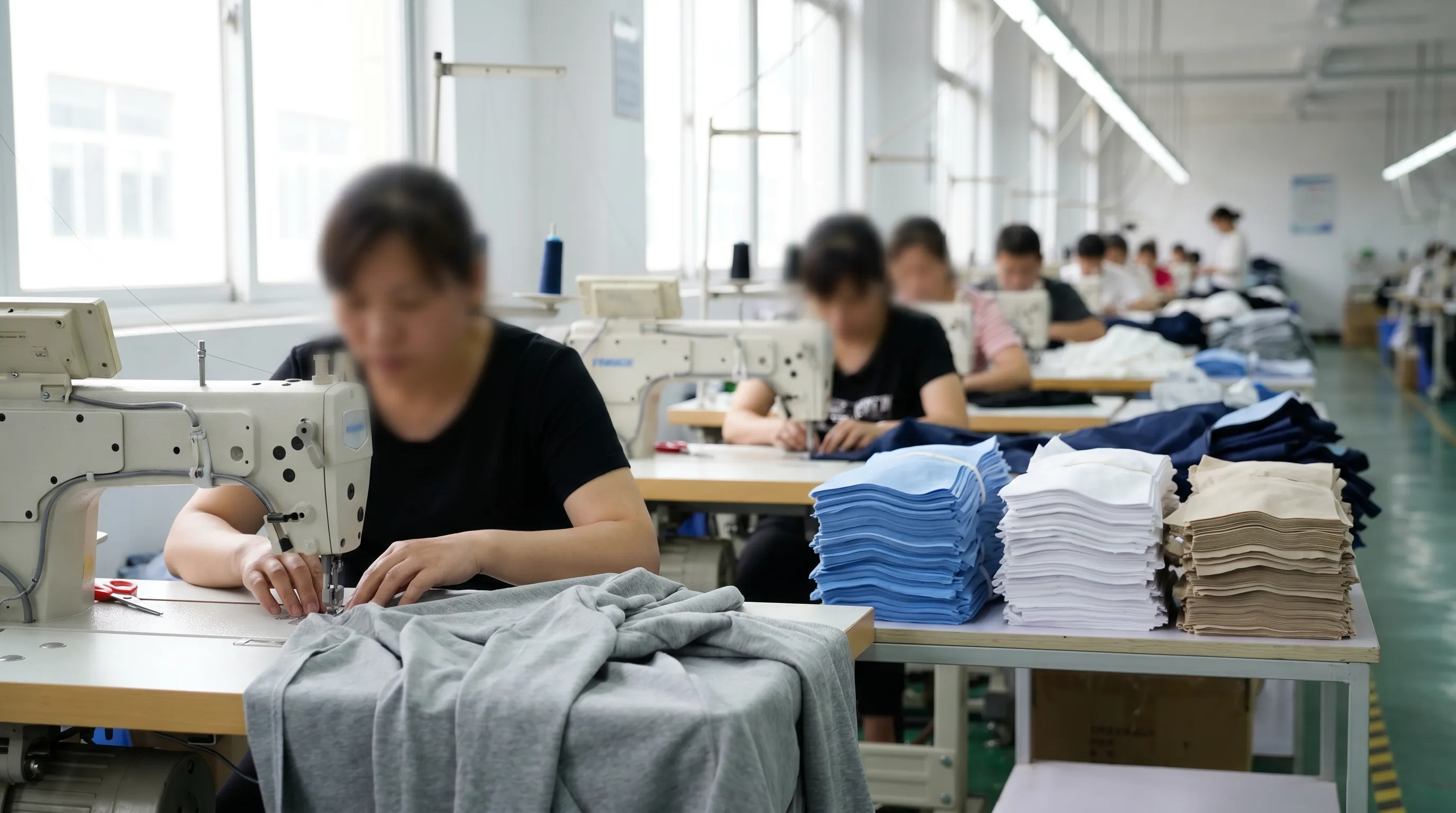
The golden sample and the PP meeting
Once the buyer approves the PP sample, it is sealed to prevent any later tampering by the factory. This sealed garment goes by several names: the golden sample, the gold-seal sample, or the red-seal sample (techpacker). It becomes the single physical standard the whole order is measured against — and because most contracts require both parties to sign or stamp it, it carries real weight: if a quality dispute arises, the sealed PP sample is the objective evidence both sides point to (Ninghow Apparel).
Approval is followed by the PP meeting (pre-production meeting) — held in the factory after the PP sample is signed off and before bulk begins. It is organized by the merchandiser and attended by the people who will actually run the order: production, quality and QA, the sample room, store, and maintenance, with buyer or buying-house representatives joining for clarifications (Fashion2Apparel). The meeting walks the line through the sealed sample, the buyer's comments, any agreed construction changes, and the quality requirements for the style — its entire purpose is defect-free bulk production. The sealed sample plus the PP meeting are what turn one approved garment into a repeatable standard for thousands.
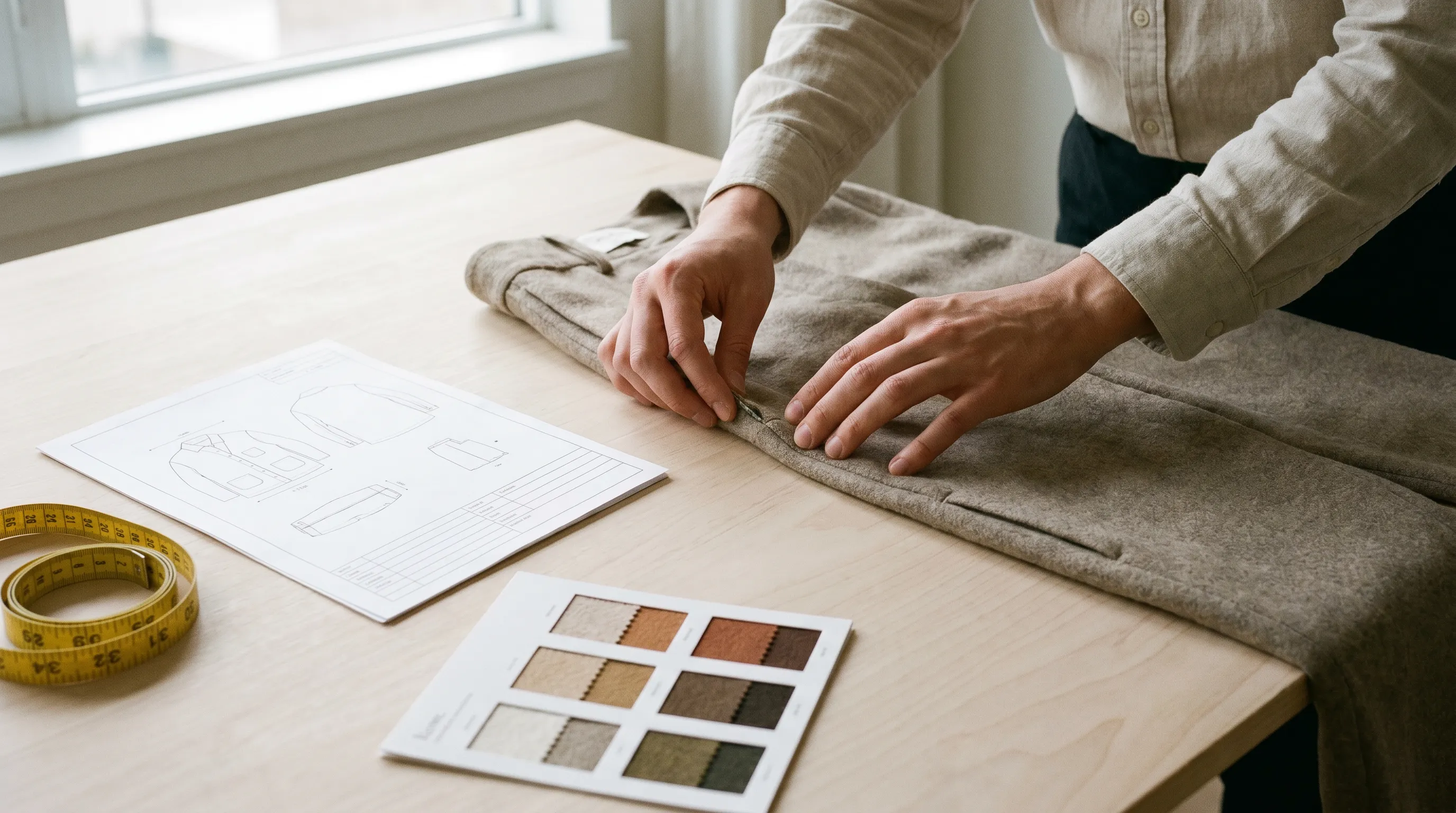
The sampling sequence at a glance
Common mistakes — and what a PP sample is NOT
Confusing the PP sample with the fit sample. The fit sample resolves measurements and grading, often in a single size and sometimes in stand-in fabric. The PP sample assumes fit is already locked and instead proves the real bulk materials and the real line produce the approved result. Treating PP as a second fit round wastes a costly sampling cycle.
Approving a PP sample sewn in substitute materials. The entire value of a PP sample is that it uses bulk fabric, trims, and labels. A "PP sample" run in development fabric is just a late proto — it can't catch the shading, shrinkage, hand, or trim problems that only appear in production materials.
Skipping the seal. An unsealed approval is hard to enforce. Without a signed, stamped golden sample on the floor, a quality dispute becomes one party's word against another's; the sealed sample is the objective reference contracts lean on.
It is NOT the last sample. PP is the last approval before bulk, but TOP samples still get pulled from the live run to confirm the floor matches the sealed standard. PP clears production to start; it does not end inspection.
Using physical PP rounds to fix things digital sampling should have caught. Each physical round burns time and money. Validating fit, colorways, and construction earlier — via digital sampling and a clean spec sheet — means the physical PP sample arrives closer to right on the first submit. (For where the rounds add up, see the breakdown of fashion sampling costs.)
Frequently asked questions
What is a PP sample in garment manufacturing?
A PP (pre-production) sample is the finished garment a buyer approves immediately before bulk production. It is sewn on the actual production line using bulk fabric, trims, and labels, so it faithfully previews what mass production will deliver. Once approved it is sealed as the golden sample and used as the reference for the whole order.
What does PP sample stand for?
PP stands for pre-production. It is also written PPS (pre-production sample) or called a 'pre-pro' sample. It is the final sign-off sample made before bulk manufacturing begins.
What is the difference between a fit sample and a PP sample?
A fit sample resolves measurements, ease, and grading, often in one base size and sometimes in substitute fabric. A PP sample comes after fit is locked and proves that the real bulk fabric, trims, and production line reproduce the approved garment. Fit answers 'does it fit?'; PP answers 'is it right in bulk materials, ready for production?'
What is a golden sample?
A golden sample (also gold-seal or red-seal sample) is an approved PP sample that has been sealed by the buyer to prevent tampering. It becomes the single physical standard the whole bulk order is checked against, and because both parties typically sign or stamp it, it serves as objective evidence in any quality dispute.
Where does the PP sample sit in the sampling process?
In the standard proto → fit → PP → TOP sequence, the PP sample is the third and final checkpoint before bulk. It follows the proto (pattern proof) and fit (measurement) samples and precedes the TOP samples, which are pulled from the live bulk run to confirm production matches the sealed PP sample.
Who approves the PP sample?
The buyer or brand approves the PP sample, typically against the approved fit sample and the spec sheet. Approval covers construction and workmanship, bulk fabric and trims, labeling, and measurements. After sign-off the sample is sealed, and the merchandiser runs a PP (pre-production) meeting with production and quality before bulk begins.
What is a PP meeting?
A PP (pre-production) meeting is held in the factory after the PP sample is approved and before bulk production starts. Organized by the merchandiser, it briefs the people running the order — production, quality and QA, the sample room, store, and maintenance — on the sealed sample, the buyer's comments, agreed changes, and quality requirements, so the bulk run is defect-free.
Is the PP sample the last sample before production?
It is the last approval before bulk: once the PP sample is sealed, bulk cutting can begin. But it is not the last sample overall. TOP (top of production) samples are still taken from the live run and compared to the sealed PP sample to confirm the floor is delivering the approved standard.
Why is the PP sample so important?
It is the last chance to catch problems before they multiply across an entire order. Made in real production materials on the real line, it surfaces shading, shrinkage, trim, and construction issues that earlier samples can miss, and once sealed it becomes the legal and quality reference for bulk — protecting both buyer and factory.
How many sampling rounds are there before bulk?
Brands typically run five to seven rounds before the bulk run — commonly mock-up, proto, fit, size-set, PP, and TOP, and sometimes a shipment or press sample. The four universal checkpoints are proto, fit, PP, and TOP, with the PP sample being the final pre-bulk sign-off.
Arrive at PP with fewer surprises
Generate a factory-ready tech pack from one garment photo — measurements, BOM, and construction callouts in one document — so your PP sample is reviewed against a clear standard the first time. First pack free, then $3–6.
Try the AI Tech Pack GeneratorRelated reading
Sources and further reading
- Techpacker — types of garment samples — PP sample made with bulk materials on the line; sealed gold/red-seal golden sample
- Ninghow Apparel — the 4 stages of sampling — proto → fit → PP → TOP, what each checkpoint verifies
- Uphance — garment sample types — PP approved before bulk; TOP pulled from bulk and checked against sealed sample
- Online Clothing Study — what a PP sample is — buyer approves construction, bulk fabric/trims, detailing; sign-off before bulk
- Fashion2Apparel — pre-production (PP) meeting — PP meeting attendees, merchandiser-led, after PP approval, before bulk
- Ninghow Apparel — importance of the PP sample — sealed sample as contractual/dispute reference